Understanding the Manlift: Definition and Types
What is a Manlift?
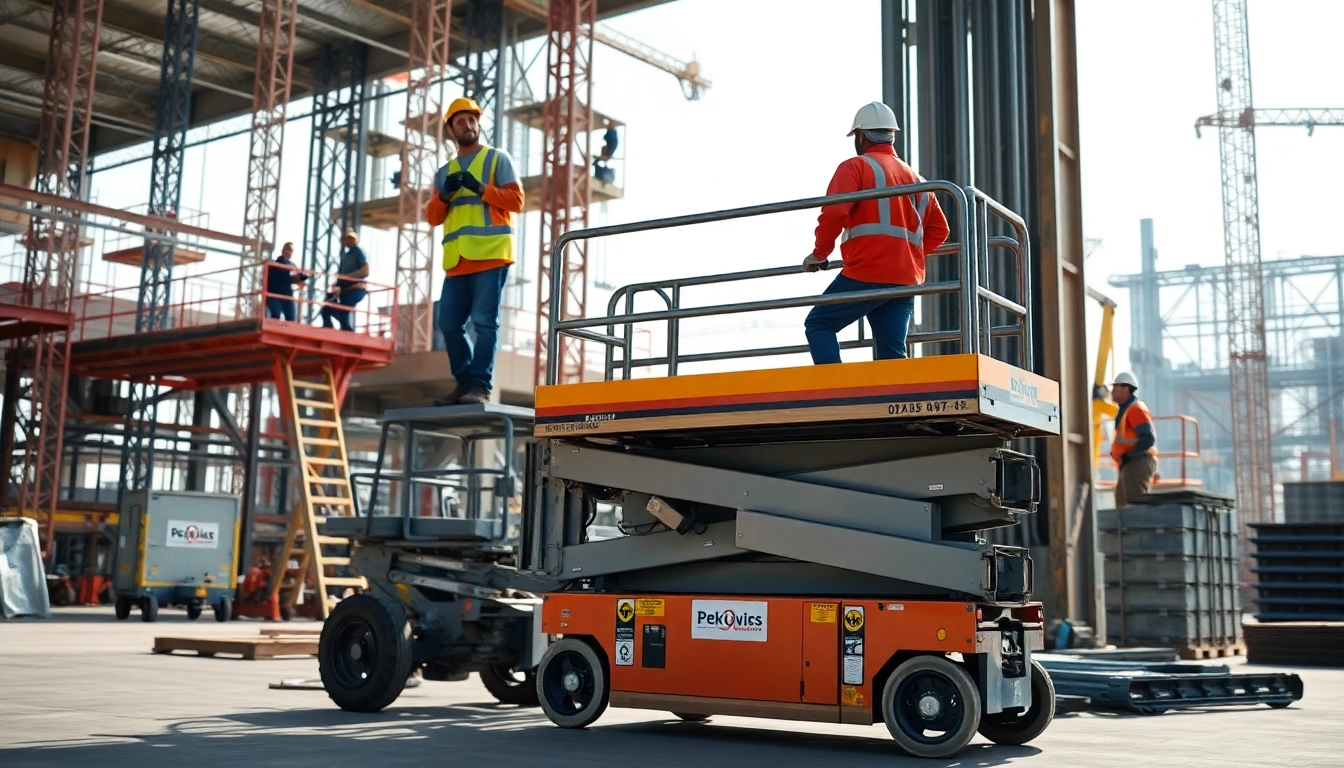
A manlift is a piece of equipment designed to lift workers and their tools to elevated heights safely. Specifically tailored for tasks that require working at height, this versatile machinery is vital in several industries, including construction, maintenance, and warehousing. It serves to increase efficiency while ensuring safety protocols are scrupulously followed.
Types of Manlift Explained
Manlifts come in various forms, each designed to cater to specific tasks and environments:
- Scissor Lifts: These provide a stable work platform vertically and are often used indoors due to their compact size and ability to fit through tight spaces.
- Articulating Boom Lifts: These feature hinged extensions, allowing operators to reach over obstacles, making them ideal for construction sites with complex layouts.
- Telescopic Boom Lifts: Offering greater horizontal reach, these lifts extend vertically and are ideal for outdoor applications and high-rise work.
- Personnel Lifts: Also known as one-man lifts, these are designed for individual use, enabling operators to access elevated work areas easily.
Key Features of a Manlift
Several essential features characterize manlifts, making them effective for varied applications:
- Height Accessibility: Manlifts offer extensive lift heights, often exceeding 100 feet, to reach hard-to-access areas.
- Load Capacity: Most manlifts can support significant weight, allowing workers to carry tools and materials safely.
- Mobility: Many models are equipped with wheels, enabling easy movement across job sites.
- Safety Features: Manlifts integrate safety harnesses, guardrails, and emergency lowering systems to protect operators during use.
Benefits of Using a Manlift
Enhanced Safety Standards
Utilizing a manlift significantly increases safety standards in the workplace. Lifting workers with machinery decreases the risk associated with ladders and scaffolding. Manlifts provide stability and containment for workers and their equipment, ensuring they are less likely to fall from heights. Additionally, manlifts often come with built-in safety mechanisms such as guardrails and emergency controls, providing peace of mind during operation.
Increased Workplace Efficiency
Using a manlift can markedly boost productivity. Workers can complete tasks faster and more safely, leading to reduced downtime and fewer interruptions. The quick setup and mobility of manlifts allow teams to transition smoothly from one task to another, reducing the overall labor costs. Moreover, the ability to lift larger tools and materials simultaneously means many jobs can be completed in less time.
Cost-Effective Solutions
Investing in a manlift can be more cost-effective than using traditional lifting methods over time. While the initial cost may be higher, manlifts decrease labor costs by allowing workers to operate quickly and efficiently. Furthermore, the reduced risk of accidents minimizes insurance claims and potential legal expenses. Rentals or purchases can be tailored to fit your budget and specific project needs, making it accessible for small and large companies alike.
How to Choose the Right Manlift
Assessing Your Project Needs
Determining the right manlift start with a careful assessment of your project’s requirements. Consider the nature of the tasks to be performed, the environment in which you’ll be working, and the height you require. For instance, an indoor project with tight spaces may benefit from a compact scissor lift. Alternatively, outdoor construction sites with obstacles may necessitate an articulating boom lift to navigate overhead scenarios.
Understanding Load Capacities
Manlifts are available with varying load capacities, often ranging from several hundred to over a thousand pounds. Establish the maximum weight of the personnel and equipment that the lift will carry. It’s essential to choose a manlift that can comfortably support this weight to avoid overloading, which can lead to accidents and equipment failure.
Evaluating Height Requirements
Different manlifts offer various maximum heights, usually from 20 to 100 feet or more. Identify the tallest point you need to reach during operations. Ensuring that the manlift can reach your required height makes the job not only feasible but also safe. Additionally, be aware of local regulations concerning platform heights when elevating workers.
Maintenance Best Practices for Manlifts
Regular Inspections
Preventive maintenance starts with regular inspections of the manlift. Check components such as hydraulic systems, controls, and mechanical parts for wear and tear. Create a maintenance schedule that includes frequent visual inspections and comprehensive servicing by a certified technician. Proper documentation of maintenance activities is also recommended for safety compliance.
Essential Maintenance Tasks
Essential maintenance tasks include:
- Lubrication of moving parts to facilitate smooth operation.
- Checking fluid levels and inspecting for leaks.
- Testing safety mechanisms and emergency controls regularly.
- Replacing worn or damaged parts proactively.
Tips for Longevity
To extend the lifespan of your manlift, ensure operators are trained and follow best practices during use. Avoid overloading the equipment and ensure it’s operated by qualified personnel. Store the manlift in a clean, dry place when not in use to protect it from the elements. Additionally, keep the manlift covered when not in use to avoid weather-related wear.
Frequently Asked Questions about Manlifts
What is the maximum height for a manlift?
The maximum height for a manlift varies between models, with most capable of reaching heights between 20 to over 100 feet. Always consult the specific model's specifications for accurate data.
How much weight can a manlift typically support?
Most manlifts can support weights ranging from 500 to 1,500 pounds, depending on the model and design. It’s crucial to verify the load capacity to ensure safety.
Are manlifts suitable for indoor and outdoor use?
Yes, manlifts are designed for both indoor and outdoor use, but selecting the correct type for the specific environment is essential, especially regarding ground conditions and space constraints.
What safety certifications should a manlift have?
Manlifts should have certifications such as ANSI (American National Standards Institute) and OSHA (Occupational Safety and Health Administration) compliance to ensure they meet safety guidelines.
How do I operate a manlift safely?
To operate a manlift safely, ensure proper training, conduct pre-operation checks, use harnesses if required, and follow the manufacturer's operating instructions at all times.