Understanding Containerized Wastewater Treatment Systems
Containerized wastewater treatment systems represent an innovative response to the growing need for efficient and effective wastewater management. These modular units are designed to address various water treatment challenges, ranging from domestic sewage issues to the complexities of industrial effluent. The development of these systems has been driven by the increasing demand for sustainable wastewater solutions that meet strict environmental standards. Our containerized systems provide fully integrated, pre-engineered solutions, allowing for rapid deployment and operational flexibility. With a compact, transportable footprint, they are ideal for locations where traditional treatment facilities are impractical or too costly to implement. When exploring options, Wastewater Treatment System Manufacturers offer comprehensive insights into the latest technologies and practices in this dynamic field.
What Are Containerized Wastewater Treatment Systems?
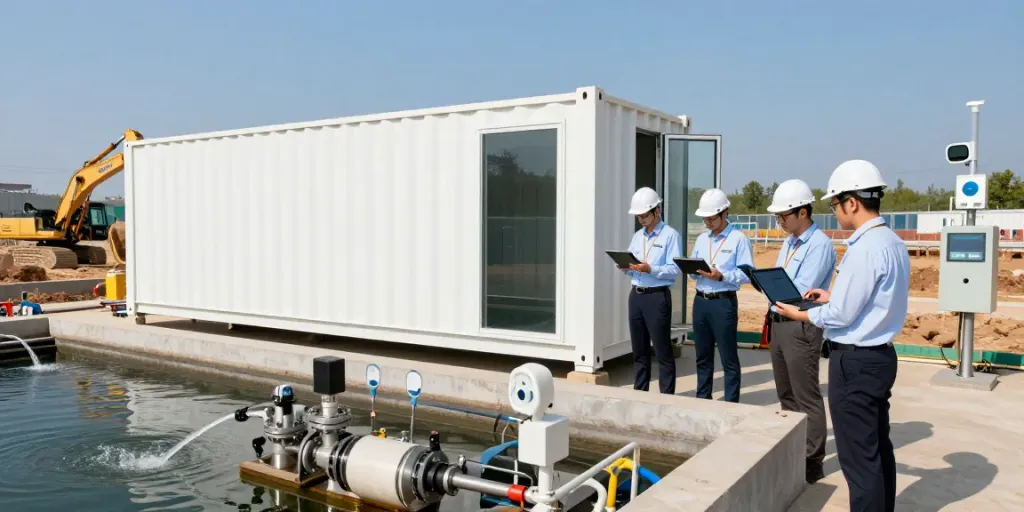
Containerized wastewater treatment systems are self-contained units constructed within standard shipping containers, typically 20 or 40 feet in length. These systems come pre-assembled with all necessary components, including treatment tanks, filtration systems, and controls, which allows for immediate use upon installation. Unlike traditional plants, which require extensive construction and investment, containerized systems can be operational within days of arrival at the site. This rapid deployment is especially beneficial in emergency situations or as temporary solutions for construction sites or events.
Key Benefits of Modular Treatment Systems
The advantages of modular treatment systems are numerous, making them an attractive option for municipalities and industries alike. Key benefits include:
- Quick Deployment: With the ability to set up in under two days, these systems minimize downtime and can be operational sooner.
- Flexibility: Their modular design allows for scalability, accommodating varying volumes of wastewater as demand changes.
- Cost-Effectiveness: Lower installation and operational costs compared to traditional plants make containerized systems highly economical.
- Compliance Assurance: Built to meet environmental regulations, these systems ensure that effluent quality adheres to local and national standards.
Comparison with Traditional Wastewater Treatment Approaches
Traditional wastewater treatment methods often involve large, stationary facilities that require significant time and financial investment for construction and upkeep. In contrast, containerized systems offer an agile alternative that can be deployed wherever needed, making them ideal for remote locations or regions lacking infrastructure. Additionally, traditional systems can take years to design and build, whereas containerized units can be customized and delivered swiftly to meet immediate needs without the lengthy approval processes associated with large facilities.
Selecting the Right Wastewater Treatment System Manufacturers
Choosing the right manufacturer is crucial to ensure the reliability and effectiveness of your containerized wastewater treatment system. An informed decision involves evaluating various manufacturers based on their reputation, technology offerings, and compliance with industry standards.
Identifying Leading Manufacturers in 2026
The landscape for wastewater treatment system manufacturers continues to evolve, with several companies emerging as leaders. Key players include names like Veolia, SUEZ, and Xylem, known for their commitment to innovation and sustainable practices. In 2026, organizations focusing on advanced technologies such as AI and IoT integration into wastewater management are becoming increasingly relevant, helping operators monitor system efficiency and performance in real-time.
What to Look for in Manufacturer Offerings
When assessing potential manufacturers, consider the following factors:
- Experience: Look for manufacturers with a proven track record in designing and implementing containerized systems.
- Customization Options: The ability to tailor systems to specific needs is critical, as wastewater characteristics can vary significantly across industries.
- Support Services: Post-installation support, including training and maintenance, is essential for optimal operation.
Evaluating Manufacturer Certifications and Standards
Ensure that the manufacturer complies with relevant environmental standards, such as ISO certifications and local environmental regulations. This compliance not only guarantees that the systems are built to reliable specifications but also demonstrates the manufacturer's commitment to sustainable practices.
Common Misconceptions About Containerized Systems
Despite their growing popularity, several misconceptions persist regarding containerized wastewater treatment systems. Addressing these concerns is vital for potential users to make informed decisions.
Are Containerized Systems Less Effective?
One of the most widespread misconceptions is that containerized systems are less effective than traditional treatment methods. In reality, many systems are engineered to provide comparable, if not superior, treatment efficiency. Technological advancements and innovative design allow for robust performance that meets or exceeds regulatory requirements.
Debunking Cost Myths in Containerized Treatment
Another myth is that containerized systems are inherently more expensive. While initial costs may be higher for some advanced models, the total cost of ownership—including installation, maintenance, and operational expenses—tends to be lower than traditional setups, making them a sound investment for many businesses.
Performance Comparisons: Containerized vs. Conventional
When comparing the performance of containerized systems to conventional plants, it’s important to consider factors such as treatment capacity, efficiency, and operational flexibility. In many cases, containerized solutions can adapt to varying inflow rates and treatment requirements with ease, offering a competitive edge for dynamic environments.
Best Practices for Implementation and Operation
Successful deployment of a containerized wastewater treatment system requires careful planning and adherence to best practices to ensure seamless operation and longevity.
Setting Up Your Containerized Wastewater Treatment System
Preparation for setup includes site assessment for space, accessibility, and utility connections. It’s crucial to ensure that the installation area can accommodate the transportation and positioning of the container, typically requiring a flatbed truck and crane. Collaboration with the manufacturer during this phase can help streamline the process and address site-specific challenges.
Regular Maintenance Tips for Optimal Performance
Maintaining containerized systems involves routine inspections and preventive maintenance to prevent breakdowns. Key maintenance activities include:
- Regular cleaning of filters and screens.
- Routine checks of pumps and electrical components.
- Monitoring effluent quality to ensure compliance with standards.
Establishing a maintenance schedule in collaboration with the manufacturer can help ensure continuous operation and minimize downtime.
Performance Metrics: How to Measure Success
Tracking performance metrics is crucial in evaluating the effectiveness of your wastewater treatment system. Key metrics to monitor include:
- Flow rates and treatment capacity.
- Effluent quality parameters such as BOD, COD, and TSS.
- System uptime and maintenance costs.
Utilizing data analytics tools can aid in real-time monitoring and provide insights for continuous improvement.
Future Trends in Wastewater Treatment Technology
The wastewater treatment industry is experiencing rapid advancements driven by technology and innovation, positioning containerized treatment systems at the forefront of sustainable solutions.
Emerging Technologies in 2026
As we move into 2026, several emerging technologies are influencing the wastewater treatment landscape, such as:
- Artificial Intelligence: AI-driven analysis can optimize treatment processes and predict equipment failures before they occur.
- IoT Integration: Internet of Things (IoT) sensors provide real-time monitoring, enhancing operational efficiency and decision-making.
- Advanced Membrane Technologies: Improved membrane filtration methods are set to enhance treatment effectiveness while reducing energy consumption.
Environmental Compliance and Sustainability Goals
As regulations around water quality become stricter, containerized systems are positioned to help businesses and municipalities meet these demands. Their smaller footprint and ease of transport also contribute to lower environmental impacts compared to traditional plants, aligning with global sustainability goals.
Innovative Solutions and Their Impact on the Industry
Innovative solutions, such as decentralized treatment options and energy recovery systems, are reshaping how we approach wastewater treatment. These advancements not only facilitate compliance but also offer new pathways for resource recovery and reuse, contributing to a circular economy.
What Advantages Will Containerized Solutions Offer in the Future?
Looking ahead, containerized wastewater treatment systems are expected to continue evolving. Their adaptability and rapid deployment capabilities make them invaluable in emergency response situations, while technological advancements will enhance their treatment efficiency and sustainability. As industries seek more sustainable practices, containerized solutions will play a key role in meeting those needs while ensuring compliance with increasingly rigorous environmental regulations.