Understanding CNC Machined Stainless Steel Parts
CNC machined stainless steel parts represent a pinnacle of precision engineering, merging advanced technology with high-quality materials. These parts are essential across numerous industries, providing a robust solution that meets the demands of both functional and aesthetic requirements. At Honscn, we specialize in cnc machined stainless steel parts, ensuring that each component we produce meets stringent standards of quality and durability.
What Are CNC Machined Stainless Steel Parts?
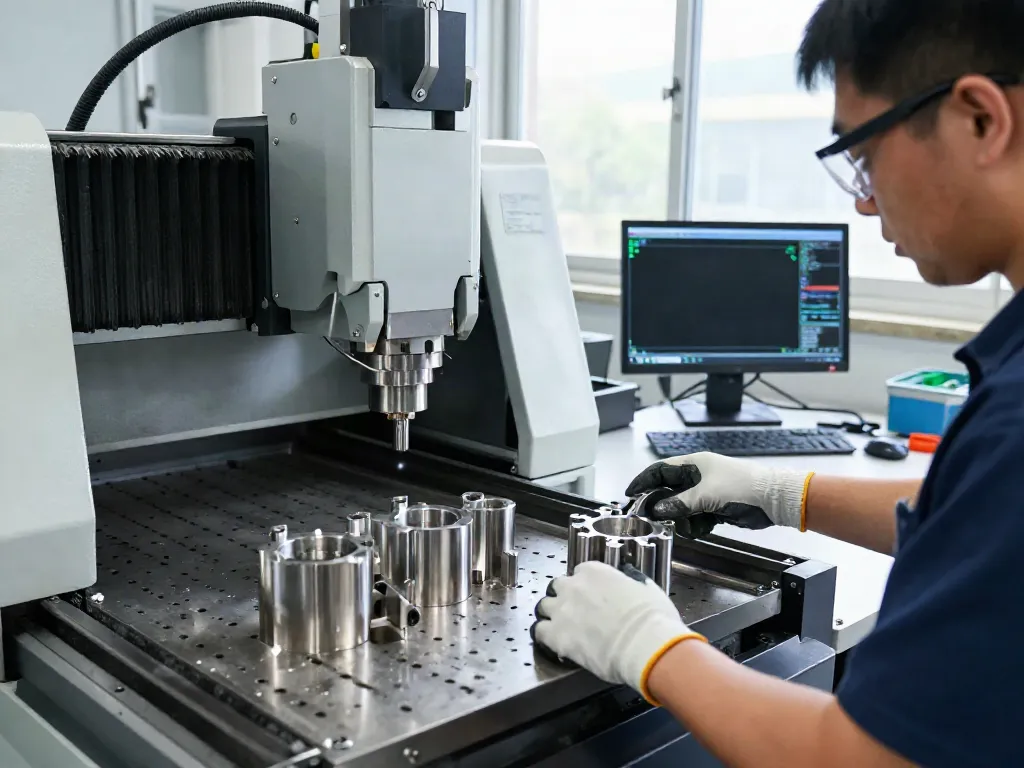
CNC (Computer Numerical Control) machining refers to the automated process of manufacturing parts through the use of computer-controlled machines. Stainless steel, known for its distinctive blend of strong physical properties and corrosion resistance, is widely utilized in producing various components, from intricate surgical instruments to robust industrial tools. By leveraging CNC technology, manufacturers like Honscn can create parts with unparalleled precision, offering high repeatability and intricate geometries that manual processes cannot achieve.
The Manufacturing Process Explained
The process of CNC machining stainless steel parts begins with detailed design specifications, often created using advanced CAD/CAM software. Once the design is established, the raw stainless steel material is selected, typically from high-grade sources such as 304 or 316 stainless steel, known for their excellent corrosion resistance and strength. The selected material is then loaded into a CNC machine that cuts, mills, or drills it according to the programmed specifications. The entire process is monitored continuously to ensure accuracy and adherence to the desired tolerances.
Key Materials Used in Production
The choice of stainless steel grade is crucial in determining the performance characteristics of the final product. Common grades used in CNC machining include:
- 304 Stainless Steel: This is the most common grade, known for its excellent corrosion resistance and good weldability.
- 316 Stainless Steel: Often used in marine applications, it has enhanced corrosion resistance due to the addition of molybdenum.
- 410 Stainless Steel: This grade offers high strength and wear resistance, making it suitable for applications requiring robust components.
Advantages of Using CNC Machined Stainless Steel Parts
Utilizing CNC machined stainless steel parts provides several advantages, particularly in terms of performance and longevity. Understanding these benefits can help industries optimize their operations and ensure reliability in their products.
Superior Corrosion Resistance Explained
The primary advantage of stainless steel is its inherent ability to resist corrosion. This quality is critical in industries such as medical and food processing, where hygiene is paramount. Stainless steel forms a protective layer of chromium oxide that prevents further corrosion, ensuring that components maintain their functionality and appearance over time, even in harsh environments.
Benefits of High Tensile Strength in Critical Applications
High tensile strength refers to the material's ability to withstand heavy loads without deformation or failure. This property is particularly vital in applications involving mechanical stress, such as in aerospace components or heavy machinery. CNC machined stainless steel parts can handle significant forces while maintaining structural integrity, making them an ideal choice for demanding environments.
Durability in Harsh Environments
Stainless steel's durability extends beyond corrosion resistance. It can withstand extreme temperatures and pressures, making it an excellent choice for applications in chemical processing plants, oil rigs, and other demanding industries. Parts made from CNC machined stainless steel tend to have a longer service life, reducing the need for frequent replacements and maintenance.
Industries That Rely on CNC Machined Stainless Steel Parts
CNC machined stainless steel parts find applications across a variety of sectors, thanks to their unique properties. Here, we explore three key industries that benefit significantly from these components.
Applications in the Medical Industry
In the medical sector, precision and reliability are crucial when it comes to instruments and devices. CNC machined stainless steel parts are used in surgical tools, prosthetics, and implantable devices, where sterility, strength, and corrosion resistance are non-negotiable. These parts are often subjected to rigorous testing to ensure they meet stringent health standards.
Importance for Food Processing Equipment
Food processing facilities require equipment that can withstand constant cleaning and exposure to various substances. The corrosion-resistant properties of CNC machined stainless steel make it a preferred material for components such as conveyor belts, mixers, and storage tanks. These parts not only comply with health regulations but also contribute to the overall hygiene and efficiency of food production.
Role in Chemical Engineering Projects
The chemical industry demands materials that can endure the aggressive nature of certain chemicals. CNC machined stainless steel parts are often employed in valves, fittings, and reactors designed for chemical processing. Their ability to maintain structural integrity under high stress and corrosive environments allows for safer and more efficient operation.
Quality Control in CNC Machining Services
Ensuring the high quality of CNC machined stainless steel parts is essential for maintaining industry standards and customer satisfaction. Quality control processes are integrated into every stage of manufacturing.
Ensuring Precision and Tolerance Standards
Precision is the hallmark of CNC machining. Manufacturers use sophisticated measuring techniques, such as coordinate measuring machines (CMMs), to verify that each part meets the specified tolerances. This level of accuracy is critical in applications where even minor deviations can lead to functional failures.
The Role of CAD/CAM Software in Design
The use of CAD/CAM software allows for seamless integration between design and manufacturing. This technology facilitates complex design requirements and ensures that all relevant dimensions are communicated effectively to the CNC machines, minimizing the margin for error.
Best Practices for Quality Assurance
Quality assurance in CNC machining involves several best practices, including:
- Conducting regular audits and checks throughout the manufacturing process.
- Implementing robust training programs for staff on equipment operation and quality standards.
- Utilizing high-quality materials to begin with, as the foundation of a quality product.
Future Trends in CNC Machined Stainless Steel Parts
The landscape for CNC machined stainless steel parts is constantly evolving. Here, we discuss key trends anticipated in the coming years.
Innovations in Manufacturing Technologies for 2026
Advancements in manufacturing technologies, such as the integration of Artificial Intelligence (AI) and machine learning, will continue to enhance the efficiency and precision of CNC machining. These innovations promise to reduce waste and improve production times while maintaining high-quality outputs.
Emerging Applications Across Different Sectors
As industries evolve, new applications for CNC machined stainless steel parts will emerge. Areas such as renewable energy, electric vehicles, and advanced robotics are expected to increase demand for custom components that exhibit both strength and precision.
Predicted Market Growth and Industry Changes
The market for CNC machined components, particularly in stainless steel, is forecasted to grow significantly. Factors contributing to this growth include rising industrial automation and an increasing focus on sustainability and efficiency within manufacturing processes.
What Are the Environmental Considerations?
As global awareness of environmental issues increases, manufacturers are being pushed to adopt more sustainable practices. This includes sourcing recycled materials and implementing energy-efficient processes in CNC machining. Companies that successfully navigate these challenges will position themselves as industry leaders.
How to Choose a Reliable CNC Machining Partner?
Selecting the right CNC machining partner is vital for ensuring that your production needs are met. Considerations include:
- Experience and expertise in your specific industry.
- Technological capabilities, including machinery and software used.
- Quality control processes and certifications.
- Customer service and support during the design and manufacturing process.