Understanding Above-Ground Storage Tank Design Fundamentals
Above-ground storage tanks (ASTs) play a pivotal role in numerous industries, including petroleum, water utilities, and chemical manufacturing. These tanks are essential for storing liquids securely and efficiently. An effective Above-Ground Storage Tank Design needs to consider various factors such as safety, environmental impact, usability, and regulatory compliance. This comprehensive article delves into the fundamentals of AST design, the relevant regulations, safety considerations, best practices, and future trends in the industry. With a thorough understanding of these elements, stakeholders can optimize their tank design to ensure safety and compliance while maximizing efficiency.
What Are Above-Ground Storage Tanks?
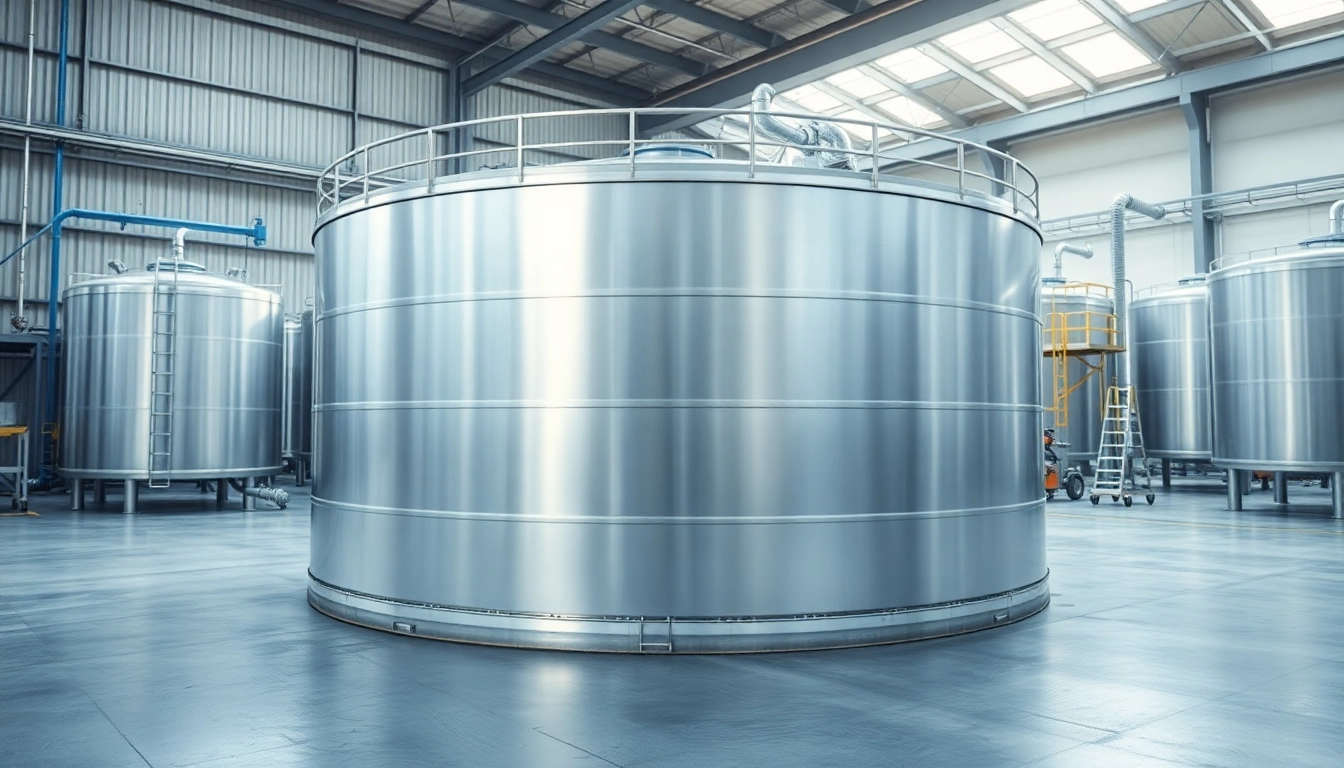
Above-ground storage tanks are large containers designed to hold liquids or gases that are above ground level. The primary purpose of these tanks is to store various substances, including oil, chemicals, and water. ASTs are crucial for industries requiring the storage of bulk materials, offering easy access for filling, monitoring, and maintenance. Different types of ASTs exist based on material, shape, and functionality, each suited for various applications.
Types of Above-Ground Storage Tank Designs
Understanding the types of designs available for ASTs is essential for selecting the right solution for specific needs. Common types include:
- Vertical Tanks: Typically cylindrical and used for storing liquids, these tanks maximize space efficiency.
- Horizontal Tanks: Often deployed where height is a constraint, horizontal tanks occupy a larger footprint but can be buried partially.
- Modular Tanks: These can be assembled on-site and offer flexibility, suitable for temporary or permanent installations.
- Specialty Tanks: Designed for specific applications, such as fire-guard products for flammable materials or chemical-resistant tanks.
Key Components of Tank Design
For effective AST functionality and safety, it's essential to focus on various components, including:
- Tank Structure: The material and thickness of the tank walls play a crucial role in durability.
- Bottom and Roof Design: These elements prevent leaks and allow for adequate support against internal and external pressures.
- Access Fittings: Including hatches and manholes for maintenance and inspections.
- Monitoring Systems: Such as gauges and alarms for tracking tank conditions like liquid levels and pressure.
Regulations and Compliance in Above-Ground Storage Tank Design
EPA Regulations Affecting Storage Tanks
One vital aspect of above-ground storage tank design is compliance with environmental regulations, particularly those set forth by the Environmental Protection Agency (EPA). Regulations such as the Spill Prevention, Control, and Countermeasure (SPCC) require facilities to develop and implement preventive measures that protect navigable waters from spills. ASTs might also require Secondary Containment systems to prevent accidental discharges into the environment.
Local and State Compliance Requirements
In addition to federal regulations, local and state governments have specific compliance requirements for tank design and installation. These can vary significantly by region, including obtaining necessary permits, ensuring that tanks meet local building codes, and implementing safety protocols. It is imperative for facility managers to stay informed about these regulations to mitigate potential legal issues.
Common Compliance Challenges
The path to achieving compliance can be filled with challenges. Common obstacles include:
- Complex Regulations: Navigating the labyrinth of federal, state, and local laws can be daunting.
- Cost Constraints: The need for upgraded technology or secondary containment systems can be financially restrictive.
- Maintenance Challenges: Routine checks and maintenance can sometimes be overlooked or improperly executed, leading to compliance risks.
Design Considerations for Above-Ground Storage Tanks
Materials Used in Tank Construction
The choice of materials is critical in tank design, affecting factors such as durability, compatibility with stored materials, and cost. Common materials include:
- Steel: High strength and durability; often used for petroleum storage due to its robustness.
- Fiberglass: Corrosion-resistant, ideal for chemical storage, but may have higher initial costs.
- Polyethylene: Lightweight, cost-effective, and resistant to many chemicals, suitable for smaller applications.
Safety Features in Tank Design
Safety must be the forefront of AST design. Essential safety features include:
- Fireguards: Designed to contain flames in the event of a fire.
- Leak Detection Systems: Zsystems for real-time monitoring of leaks can alert operators quickly.
- Pressure Relief Valves: Ensure tanks do not exceed their designed pressure levels, preventing explosions.
Environmental Impact Considerations
A well-designed above-ground storage tank must also consider its environmental impact. Factors to enhance include:
- Spill Prevention: Implementing double-walled designs that contain any leaks.
- Vegetation Around Tanks: Landscaping can absorb spills before reaching the ground.
- Eco-Friendly Materials: Using recyclable materials can reduce the overall environmental footprint.
Best Practices for Above-Ground Storage Tank Design
Maximizing Storage Efficiency
Designing with efficiency in mind can optimize space and resource use. Best practices include:
- Design for Vertical Space: In multi-story facilities, utilize vertical tanks for maximum liquid storage.
- Combine Functions: Using a single tank for multiple types of liquids where feasible can streamline operations.
- Regular Assessments: Conducting periodic assessments can reveal opportunities for further efficiency.
Routine Maintenance Considerations
Routine maintenance is integral to ensuring the longevity and functionality of ASTs. Key considerations include:
- Regular Inspections: Visual checks and structural integrity assessments are necessary.
- Maintenance Log: Keeping detailed records to track inspection results when any problems are identified.
- Water Removal: Remove water from the bottom regularly to prevent corrosion.
Technology Integration in Tank Monitoring
Leveraging modern technology can enhance tank management. Strategies include:
- IoT Sensors: Real-time data collection on tank levels and environmental conditions.
- Cloud-Based Monitoring: Centralized data that allows for remote access and analysis.
- Automated Alerts: Notifications for maintenance needs or safety risks can prevent disasters.
Future Trends in Above-Ground Storage Tank Design
Innovations in Tank Materials and Construction
The future of AST design looks promising with several anticipated innovations, including:
- Smart Materials: Advanced composites that can monitor their integrity and provide feedback.
- Flexible Design Solutions: Tailoring tanks to fit specific storage needs, including modular designs.
- Sustainable Practices: Increased use of environmentally-friendly materials and construction methodologies.
Smart Technologies in Tank Management
Embracing smart technologies can revolutionize tank management. Some expected advancements include:
- AI-Driven Analytics: Enhancing decision-making through predictive analytics regarding tank usage and maintenance.
- Remote Monitoring and Control: Providing operators with the ability to manage and monitor tanks remotely.
- Blockchain for Transparency: Tracking materials and compliance regulations can enhance transparency.
Predictions for Regulatory Changes
As industries evolve, so do regulations governing their operations. Future trends may involve:
- Stricter Environmental Regulations: Anticipating more stringent requirements for spill prevention and containment.
- Enhanced Reporting Standards: Increasingly detailed data reporting to regulatory bodies.
- Focus on Sustainability: Modern regulations may prioritize eco-friendly practices and materials.
Frequently Asked Questions
What is the lifespan of an above-ground storage tank?
With proper maintenance, above-ground storage tanks typically last between 20 to 50 years, depending on materials and usage conditions.
Are above-ground storage tanks safe?
Yes, when designed and maintained properly, above-ground tanks adhere to safety standards that minimize the risk of accidents.
What materials are commonly used in above-ground tank construction?
Common materials include steel, fiberglass, and polyethylene, each chosen for their specific durability and compatibility with stored substances.
What are the environmental considerations for tank design?
Designs must implement spill prevention systems, secondary containment, and compliance with environmental regulations to safeguard ecosystems.
What is the role of technology in tank management?
Technology facilitates monitoring tank conditions, detecting leaks, and ensuring compliance with regulatory standards, enhancing operational efficiency.