Understanding Above-Ground Storage Tank Design
Definition and Purpose of Above-Ground Storage Tanks
Above-ground storage tanks (ASTs) are crucial components in the storage and management of various liquids, ranging from fuels to chemicals and water. These containers are designed to hold and contain substances that need to be secured against leaks and spills, thus ensuring safety in both operational and environmental contexts. Their primary purpose is to provide a reliable storage solution that can withstand external pressures while complying with safety and regulatory standards. The effective design of ASTs minimizes the risk of contamination, promotes safe handling practices, and fosters a sustainable approach to resource management. For an in-depth exploration of best practices in Above-Ground Storage Tank Design, understanding the varied functionalities of ASTs is essential.
Types of Above-Ground Storage Tanks
ASTs come in various shapes and configurations, each tailored to specific storage needs. Common types include:
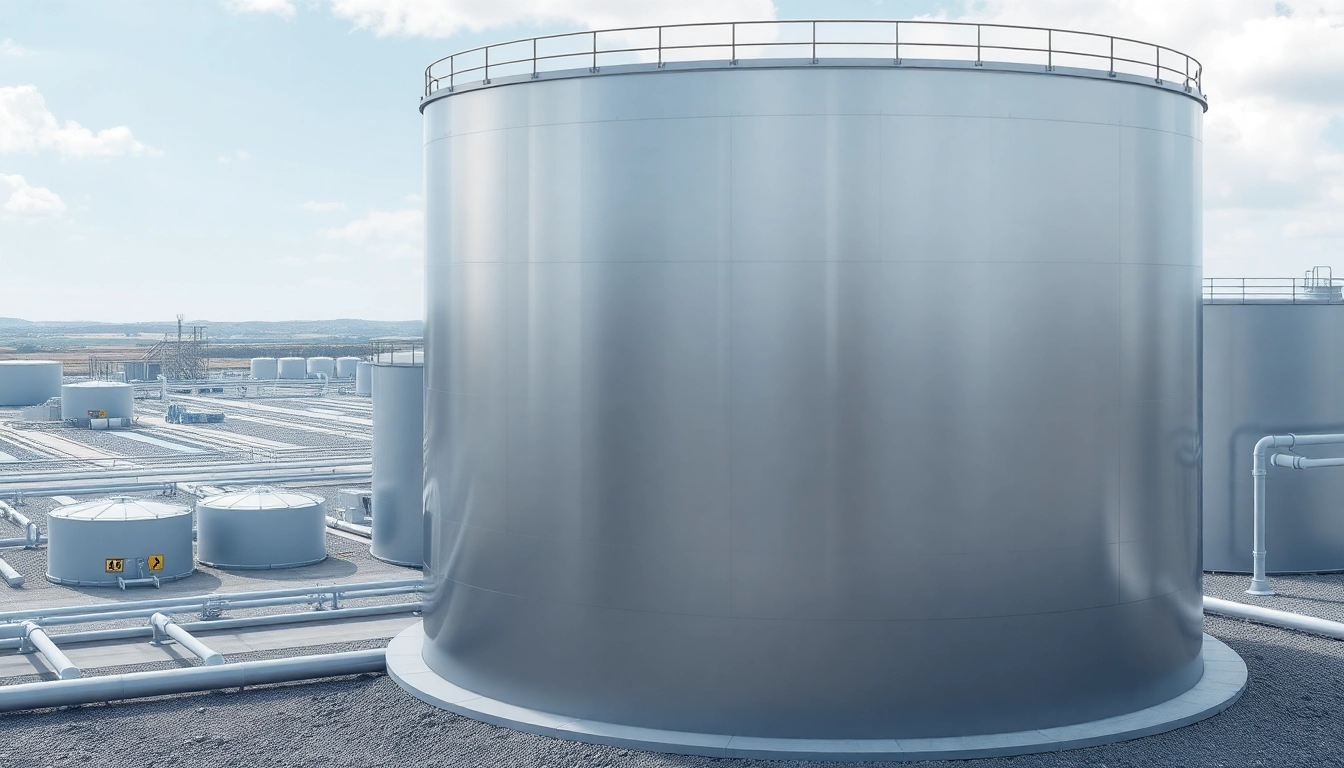
- Vertical Tanks: Often preferred for their compact footprint, these tanks are suitable for storing larger volumes of fluids. They are usually cylindrical and constructed from materials like steel or fiberglass.
- Horizontal Tanks: Typically used for lower capacity needs, these tanks have a wider base that distributes weight more evenly, making them structurally robust. Common in agricultural and industrial applications.
- Open-Top Tanks: These are usually utilized for temporary storage and are designed for quick access and easy cleaning. However, they may require additional safety measures to prevent contamination.
- Double-Walled Tanks: Featuring an inner tank contained within an outer tank, this design provides added safety against leaks and spills, making them essential for hazardous materials.
Key Regulations Impacting Tank Design
Above-ground storage tanks are subject to numerous regulations aimed at protecting the environment and public health. The Environmental Protection Agency (EPA) outlines specific standards for ASTs, particularly regarding the storage of petroleum and hazardous substances. Key regulations include:
- Spill Prevention, Control, and Countermeasure (SPCC) Regulations: These requirements set forth guidelines for ensuring that ASTs are designed to prevent spills and manage any potential environmental risks.
- American Petroleum Institute (API) Standards: These standards, including API 650, govern the design, construction, and maintenance of welded tanks for oil storage.
- Occupational Safety and Health Administration (OSHA) Guidelines: OSHA provides regulations that ensure safe working conditions around ASTs, emphasizing the importance of structural integrity and accessibility.
Design Considerations for Safety and Efficiency
Material Selection for Durability and Compliance
Choosing the right material for an above-ground storage tank is crucial in ensuring longevity and compliance with safety standards. Common materials include:
- Steel: Renowned for its strength and durability, steel tanks can bear heavy loads and resist environmental stressors. However, they require protective coatings to prevent corrosion.
- Fiberglass: Lightweight and resistant to corrosion and chemicals, fiberglass tanks are popular for storing chemicals. They offer a lower total cost of ownership due to reduced maintenance needs.
- Polyethylene: Often used for smaller tanks, poly tanks are UV stabilized and resistant to a wide range of chemicals. They are ideal for applications involving fresh water or safe chemicals.
Structural Integrity: Engineering Requirements
Ensuring structural integrity is fundamental when designing ASTs. Key factors to consider include:
- Load-Bearing Capacity: Tanks must be engineered to support not only the weight of the stored materials but also environmental loads such as snow or seismic activity.
- Foundation Design: The foundation must be engineered to prevent settling and tilting, which can lead to catastrophic failures. Concrete pads or pilings are commonly used.
- Corrosion Resistance: Implementing corrosion-resistant coatings or using non-corrosive materials can significantly extend the lifespan of a tank.
Environmental Considerations in Tank Design
Environmental impact is a key consideration in AST design. Factors to take into account include:
- Secondary Containment: Designing tanks to include secondary containment measures, such as bund walls, helps mitigate the risk of spills and leaks.
- Leak Detection Systems: Integrating technologies for leak detection is vital to early identification and mitigation of potential spills.
- Material Selection: Utilizing eco-friendly materials and those that do not leach hazardous chemicals into the environment is increasingly becoming standard practice.
Installation Practices for Above-Ground Storage Tanks
Site Preparation and Tank Placement
Proper site preparation is critical for the safe and effective installation of above-ground storage tanks. Steps include:
- Site Assessment: Conducting a comprehensive assessment ensures that the site meets regulatory requirements and takes into account environmental factors.
- Preparation of the Base: The tank must rest on a solid and level base, often created from concrete or compacted gravel, to prevent shifting or tilting.
- Access and Safety Measures: Installing adequate safety barriers and ensuring proper access routes for emergency situations is essential during the installation phase.
Connecting Infrastructure: Piping and Valves
The design and installation of associated piping and valves must ensure robust operation and safety. Key points include:
- Material Compatibility: Ensure that materials used in pipes and valves are compatible with the contents of the tank to prevent degradation and leaks.
- Placement of Valves: Valves should be placed for ease of operation and maintenance, with proper visibility and access from the ground.
- Emergency Shut-Off Systems: Implementing quick-access shut-off systems can prevent accidents in the event of a leak or rupture.
Inspection and Maintenance Routine
Regular inspection and maintenance are critical for the longevity and safety of ASTs. Recommended practices include:
- Routine Inspections: Conducting inspections at regular intervals helps identify corrosion, leaks, or other structural issues before they escalate into serious problems.
- Maintenance Protocols: Following manufacturer guidelines for maintenance ensures that the tank remains compliant with safety standards and operational requirements.
- Documentation: Keeping accurate records of inspections and maintenance activities can be useful for compliance audits and history tracking.
Cost Analysis of Above-Ground Storage Tank Design
Budgeting for Materials and Construction
Estimating costs associated with the design and construction of ASTs requires a comprehensive approach, including:
- Material Costs: Assessing various material choices can help balance initial expenses with long-term durability and maintenance requirements.
- Construction Costs: Labor, equipment, and other construction expenses must be forecast accurately based on local labor rates and project complexity.
- Permitting Expenses: Obtaining the required permits can incur additional costs, and understanding local regulations is vital to ensuring compliance.
Operational Costs: Maintenance and Regulations
Ongoing operational costs can significantly affect decision-making in AST management. Key considerations include:
- Routine Maintenance: Budgeting for regular maintenance schedules can help prevent costly repairs and extend the life of the tank.
- Compliance Costs: Remaining compliant with regulations can require ongoing expenses related to inspections, testing, and record-keeping.
- Training Costs: Staff must be trained on proper handling techniques and emergency protocols, which can incur additional operational expenses.
Long-Term Financial Impacts
Understanding the long-term financial impacts of investment in ASTs is crucial for responsible budgeting, including:
- Return on Investment (ROI): Analyzing the ROI includes assessing the long-term savings through efficient operation and reduced spill liabilities.
- Potential Liabilities: Minimizing the risks associated with spills can significantly reduce potential legal liabilities and cleanup costs.
- Impact on Insurance Costs: Maintaining ASTs in compliance with regulations can help lessen the risk premiums associated with insurance policies.
Future Trends in Above-Ground Storage Tank Design
Innovative Technologies in Tank Monitoring
The future of AST design is being shaped by advancements in technology. Emerging trends include:
- Smart Sensors: Implementation of IoT sensors enables real-time monitoring of fluid levels, leak detection, and environmental conditions.
- Automated Reporting Systems: These systems streamline compliance reporting and facilitate immediate action in response to leaks or structural integrity issues.
- Data Analytics: Utilizing data analytics for predictive maintenance routines can enhance operational efficiency and longevity.
Sustainability in Design and Construction
As sustainability becomes a priority, AST designs are evolving to be more environmentally friendly. Key trends include:
- Use of Recyclable Materials: Selecting materials that can be reused reduces environmental impact and promotes sustainability.
- Energy Efficiency: Incorporating energy-efficient technologies during construction and operation minimizes resource consumption and costs.
- Eco-Friendly Coatings: Using eco-friendly coatings reduces toxic runoff and promotes a safer environment both during and after degradation.
Future Regulatory Changes and Implications
As regulatory standards evolve, AST design must adapt to new rules and practices. Upcoming considerations include:
- Greater Emphasis on Environmental Protection: Anticipating stricter regulations regarding emissions and spill prevention may influence design choices.
- Alignment with Global Standards: As international regulatory frameworks emerge, adapting to these will require modifications in existing designs and practices.
- Increased Transparency Requirements: Future regulations may necessitate enhanced record-keeping regarding operational data and maintenance, impacting costs and processes.
FAQs
What materials are best for above-ground storage tanks?
Common materials include steel and fiberglass, chosen for their durability and resistance to corrosion while ensuring compliance with safety standards.
How do I select the right size for my tank?
Consider the volume needed for storage, local regulations, and future operational needs to effectively determine the appropriate tank size.
Are there legal requirements for tank installation?
Yes, installation must comply with local environmental regulations and safety standards, including emergency protocols to ensure safe operations.
What maintenance is required for above-ground tanks?
Regular inspections for corrosion, leaks, and structural integrity are crucial; maintenance should follow manufacturer guidelines for optimal performance.
How long do above-ground storage tanks typically last?
With proper maintenance, tanks can last 20-40 years or longer, depending on the materials used and the environmental conditions they are exposed to.