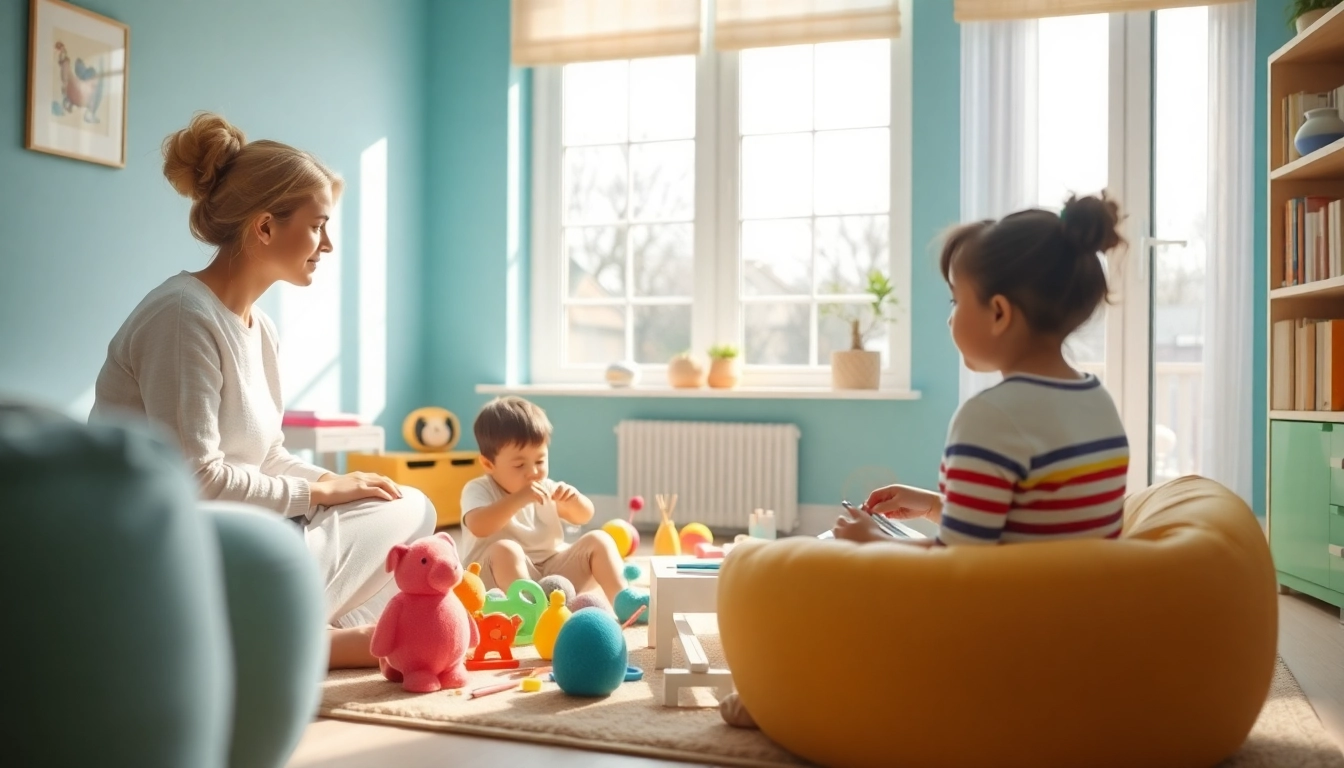
What is Play Therapy?
Play Therapy is a specialized psychological intervention designed to help children express their feelings and thoughts through play, which is their natural medium of communication. This therapeutic approach harnesses the innate therapeutic power of play to aid children in resolving emotional and behavioral issues. By fostering a safe and supportive environment, Play Therapy facilitates children's emotional growth and development, leading to healthier mental well-being.
Definition and Origins of Play Therapy
Play therapy is defined as the systematic use of a theoretical model that establishes an interpersonal process. This process involves trained therapists utilizing play as a tool to assist children in preventing or resolving psychosocial difficulties and achieving optimal growth. The origins of play therapy trace back to the early 20th century when theorists like Sigmund Freud and Melanie Klein recognized the potential of play as a medium for expression. Since then, Play Therapy has evolved into a comprehensive therapeutic approach grounded in various psychological theories.
Theoretical Frameworks of Play Therapy
Several theoretical frameworks underpin Play Therapy, including:
- Child-Centered Play Therapy: This approach focuses on the child's perspective, encouraging free expression and self-discovery through play.
- Gestalt Play Therapy: Emphasizing awareness and personal responsibility, this framework seeks to help children understand their feelings and actions.
- Cognitive-Behavioral Play Therapy: This combines traditional cognitive-behavioral techniques with play, aiming to reshape children's thoughts and behaviors through playful activities.
- Narrative Play Therapy: This approach uses storytelling and imaginative play to allow children to reframe their experiences and find personal meaning.
Target Demographics for Play Therapy
Play Therapy primarily targets children aged 3 to 12 but can be adapted for older children and even adults. Children who experience emotional or behavioral difficulties, such as anxiety, depression, trauma, or familial issues, significantly benefit from this therapeutic approach. Adults seeking to process their childhood experiences may also find Play Therapy beneficial, albeit adaptations may be needed in the methods employed.
Techniques Used in Play Therapy
Play Therapy employs diverse techniques and forms of play tailored to each child's unique needs. This adaptability is fundamental to fostering effective therapeutic interactions.
Forms of Play in Therapeutic Settings
In Play Therapy, various forms of play are utilized, including:
- Symbolic Play: Children use toys as symbols to represent their thoughts and emotions.
- Role-Play: This encourages children to act out scenarios, helping them explore different perspectives and problem-solving strategies.
- Sand Tray Therapy: Children create scenes in a sand tray using miniature figures; this allows them to express complex feelings non-verbally.
- Art-Based Activities: Creative expression through drawing and crafting can uncover emotions children may find difficult to articulate verbally.
Creative Arts Integration in Play Therapy
Incorporating creative arts into Play Therapy can enhance therapeutic outcomes. Activities like painting, music, and dance enable children to express themselves freely and safely. Integrating arts fosters creativity while helping children process emotions and experiences, making them powerful adjuncts to traditional play techniques.
Therapeutic Alliances: Role of the Therapist
The therapist's role in Play Therapy is crucial in establishing a safe and trusting environment. Building a therapeutic alliance allows children to feel secure enough to explore their thoughts and emotions. Therapists utilize active listening, empathy, and playfulness to connect with children, facilitating a strong bond that is essential for effective therapy. Additionally, therapists are responsible for guiding and interpreting play themes to help children gain insights into their emotional worlds.
Benefits of Play Therapy
The benefits of Play Therapy are extensive, impacting various facets of a child's emotional and psychological development.
Emotional and Psychological Development
Play Therapy supports emotional regulation, self-expression, and increased self-esteem. Through play, children can explore their feelings in a non-threatening way, leading to better emotional health over time. Furthermore, this therapeutic approach helps in developing empathy as children learn to understand and express their emotions while being sensitively guided by the therapist.
Improvement of Behavioral Issues
Many children exhibiting problematic behaviors, such as aggression, anxiety, or withdrawal, show significant improvements through Play Therapy. As children learn new skills to express and manage their emotions and stressors, they often exhibit better control over their actions and reactions, leading to more positive interactions with peers and family.
Family Dynamics and Relationships
Play Therapy can also benefit family relationships. Engaging families in the therapeutic process creates opportunities for better communication and understanding. Techniques that involve parents and caregivers can strengthen bonds and improve home dynamics, allowing families to tackle challenges collaboratively and effectively.
Addressing Common Concerns about Play Therapy
Despite its numerous benefits, some concerns and misconceptions about Play Therapy persist, warranting clarification.
Effectiveness for Different Ages
Research supports the effectiveness of Play Therapy for a variety of age groups, particularly young children from ages 3 to 12. However, adaptations can be made for older children and even adults, demonstrating versatility in its application across age brackets. The key lies in tailoring the approach to fit the developmental stage and individual needs of the client.
Safety and Ethical Considerations
Ensuring a safe and ethical therapeutic environment is paramount in Play Therapy. Licensed professionals adhere to ethical guidelines that govern client confidentiality, informed consent, and the appropriate use of therapeutic techniques. Safety checks, maintaining boundaries, and supervision protocols protect children's welfare, enhancing trust in the therapeutic process.
Addressing Misconceptions about Play Therapy
Many misconceptions exist regarding Play Therapy, including the view that it is merely "just play" without therapeutic value. In reality, every element of Play Therapy is designed with intentionality and can yield profound insights. It’s essential to recognize that the seemingly simple act of play can facilitate deep emotional exploration and healing when guided by a trained therapist.
FAQs about Play Therapy
What age group benefits most from play therapy?
Play Therapy primarily benefits children ages 3 to 12, but it can also be adapted for older children and some adults, showcasing its versatility.
Is play therapy effective for children with ADHD?
Research indicates that Play Therapy can effectively support children with ADHD by improving impulse control, reducing aggression, and enhancing overall behavior.
How long does play therapy usually last?
Sessions typically occur weekly, and the length of therapy can vary; some issues may be resolved in as few as 10 sessions while others may require longer engagement.
What techniques do therapists use in play therapy?
Therapists utilize techniques such as role-playing, art-based activities, and symbolic play methods tailored to help children express their emotions and experiences.
Are parents involved in the play therapy process?
Yes, parental involvement can enhance the effectiveness of Play Therapy, with family sessions often integrated to improve communication and family dynamics.