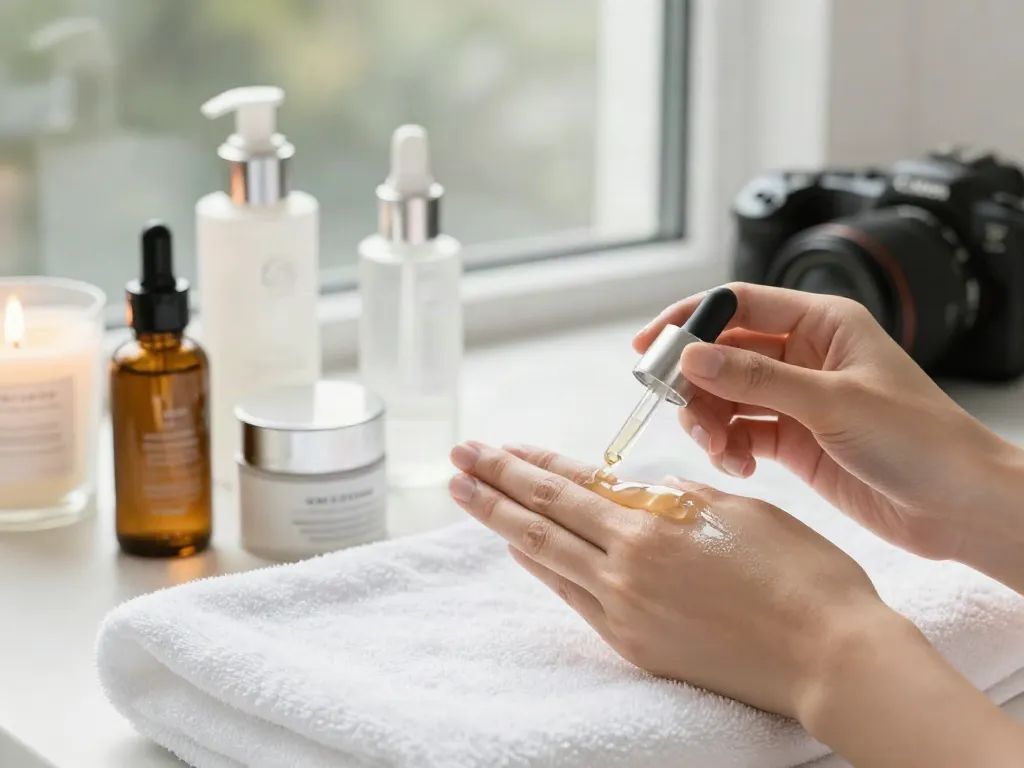
Understanding snap-8 Peptide: The Basics
In the world of skincare, peptides have emerged as powerful components that can significantly enhance skin health and appearance. One such peptide, snap-8 peptide, has garnered attention for its ability to mimic the effects of Botox without the need for injections. By understanding what snap-8 is and how it operates, you can make informed decisions about its potential benefits for your skincare routine.
What is snap-8 peptide?
Snap-8, scientifically known as Acetyl Octapeptide-3, is a synthetic peptide that consists of eight amino acids. It was developed to address the signs of skin aging, particularly by reducing the appearance of fine lines and wrinkles. This peptide works by inhibiting the neurotransmitters that cause muscle contractions, thus relaxing facial muscles and minimizing the formation of expression lines over time.
How does snap-8 work on the skin?
The action mechanism of snap-8 peptide is similar to that of Botox, but it is much gentler. When applied topically, snap-8 penetrates the outer layers of the skin and begins to reduce muscle contractions responsible for wrinkle formation. By doing this, it helps to create a smoother and more youthful appearance without invasive procedures. This characteristic makes it appealing for both those seeking to enhance their skincare regimen and those who are hesitant about needles and injections.
Key benefits of using snap-8 peptide
- Reduces fine lines and wrinkles: Clinical studies have shown that snap-8 can lead to significant improvements in the appearance of wrinkles, making it a compelling option for anti-aging skincare.
- Non-invasive: As a topical treatment, snap-8 eliminates the risks associated with injectable treatments, providing a safer alternative for skin rejuvenation.
- Moisturizing properties: Besides its wrinkle-reducing effects, snap-8 also promotes hydration and improves skin texture, enhancing the overall look and feel of the skin.
- Easy to incorporate: It can be seamlessly integrated into various skincare formulations, including serums and creams, making it an accessible option for many users.
Scientific Evidence Behind snap-8 Peptide
Clinical studies showcasing snap-8 efficacy
Numerous clinical studies have highlighted the effectiveness of snap-8 peptide in reducing the appearance of fine lines and wrinkles. One notable study demonstrated that after just a week of consistent application, participants experienced up to a 21% reduction in wrinkle depth, with significant improvements observed at the four-week mark, showing about a 63% reduction in wrinkles overall. These findings underscore the peptide's potential as an effective anti-aging agent.
Comparisons to other popular anti-aging agents
When comparing snap-8 to other well-known anti-aging compounds, such as retinol or hyaluronic acid, its unique mode of action sets it apart. While retinol promotes skin cell turnover and hyaluronic acid hydrates the skin, snap-8 specifically targets muscle contractions, providing a distinct approach to wrinkle reduction. For individuals seeking comprehensive anti-aging solutions, combining these ingredients may yield even greater results.
Expert opinions on peptide science
Dermatologists and skincare experts frequently endorse the use of peptides like snap-8 in skincare products. Many professionals highlight that these substances are not only scientifically backed but also effective at promoting youthful skin when properly utilized. As the skincare industry continues to innovate, the future of peptides like snap-8 looks promising.
How to Incorporate snap-8 into Your Skincare Routine
Best practices for application
To maximize the benefits of snap-8, proper application is crucial. Experts recommend applying products containing snap-8 on clean, dry skin, typically in the evening to allow for optimal absorption. Following up with a moisturizer can enhance hydration and efficacy. For those interested in exploring snap-8 products, snap-8 peptide offers comprehensive insights into available formulations.
Combining snap-8 with other active ingredients
For a holistic approach to skincare, consider combining snap-8 with other active ingredients. Pairing it with antioxidants like vitamin C can boost overall skin health and protection against environmental stressors. Additionally, using it alongside hyaluronic acid can enhance hydration, creating a plump and youthful complexion.
Frequency and dosage recommendations
The recommended frequency for applying snap-8 products typically ranges from once to twice daily, depending on individual skin type and sensitivity. Starting with a lower frequency and gradually increasing as the skin adapts can minimize potential irritation, allowing for a personalized approach to skincare.
Potential Side Effects and Considerations
Common myths and misconceptions about snap-8
Despite its growing popularity, several myths surrounding snap-8 persist. One common misconception is that it provides instant results akin to Botox. While users may notice improvements within days, the most significant changes occur over weeks with consistent use. Another myth is that snap-8 is suitable for everyone; however, individuals with specific skin conditions may need to consult a dermatologist before incorporating it into their routine.
Who should avoid snap-8 peptide?
Individuals with hypersensitive skin or those prone to allergic reactions should exercise caution when considering snap-8 peptide products. It is advisable to conduct a patch test before fully integrating new products into one's regimen. Furthermore, those with conditions such as rosacea or severe eczema may benefit from consulting with a skincare professional to assess suitability.
Managing skin reactions or sensitivities
In the rare event of experiencing irritation or sensitivity, it is advisable to discontinue use and allow the skin to recover. Over-the-counter hydrocortisone creams can alleviate mild irritations, but serious reactions necessitate professional evaluation. Always monitor skin reactions when introducing new peptides or actives into your routine.
The Future of snap-8 Peptide in Skincare
Emerging trends in peptide technology for 2026
As we move further into 2026, the field of peptide technology is rapidly evolving. Research is continually being conducted to enhance the efficacy of peptides like snap-8, focusing on improving delivery mechanisms and synergistic combinations with other active ingredients. This continual advancement holds promise for more potent and effective skincare solutions.
Innovative formulations and product releases
With the increasing interest in snap-8, many brands are likely to develop innovative formulations that leverage its properties. Expect to see a variety of products, from serums and creams to more potent treatments aimed at delivering results quickly and efficiently. This trend is indicative of the shift towards non-invasive anti-aging solutions that align with consumer preferences.
Final thoughts on snap-8 peptide's long-term usage
In conclusion, snap-8 peptide represents a promising option for those seeking to address visible signs of aging without the invasiveness of traditional treatments. By incorporating snap-8 into your daily skincare routine, you can enjoy its benefits while preparing for a future where peptide technology continues to evolve. Staying informed about the latest in skincare innovations will empower you to make the best choices for maintaining youthful skin integrity.
What does snap-8 peptide do?
Snap-8 peptide primarily works to reduce the appearance of fine lines and wrinkles by relaxing facial muscles. It is particularly effective for expression lines, providing a smoother skin texture with consistent use.
How long does it take snap-8 to work?
Users may start to see visible improvements in skin texture and hydration within a week, but significant results in wrinkle reduction typically manifest after 4-8 weeks of regular application.
What are snap-8 peptide side effects?
Side effects are generally minimal, with the most common being mild irritation or allergic reactions in sensitive individuals. Conducting a patch test prior to full application can help to mitigate these risks.