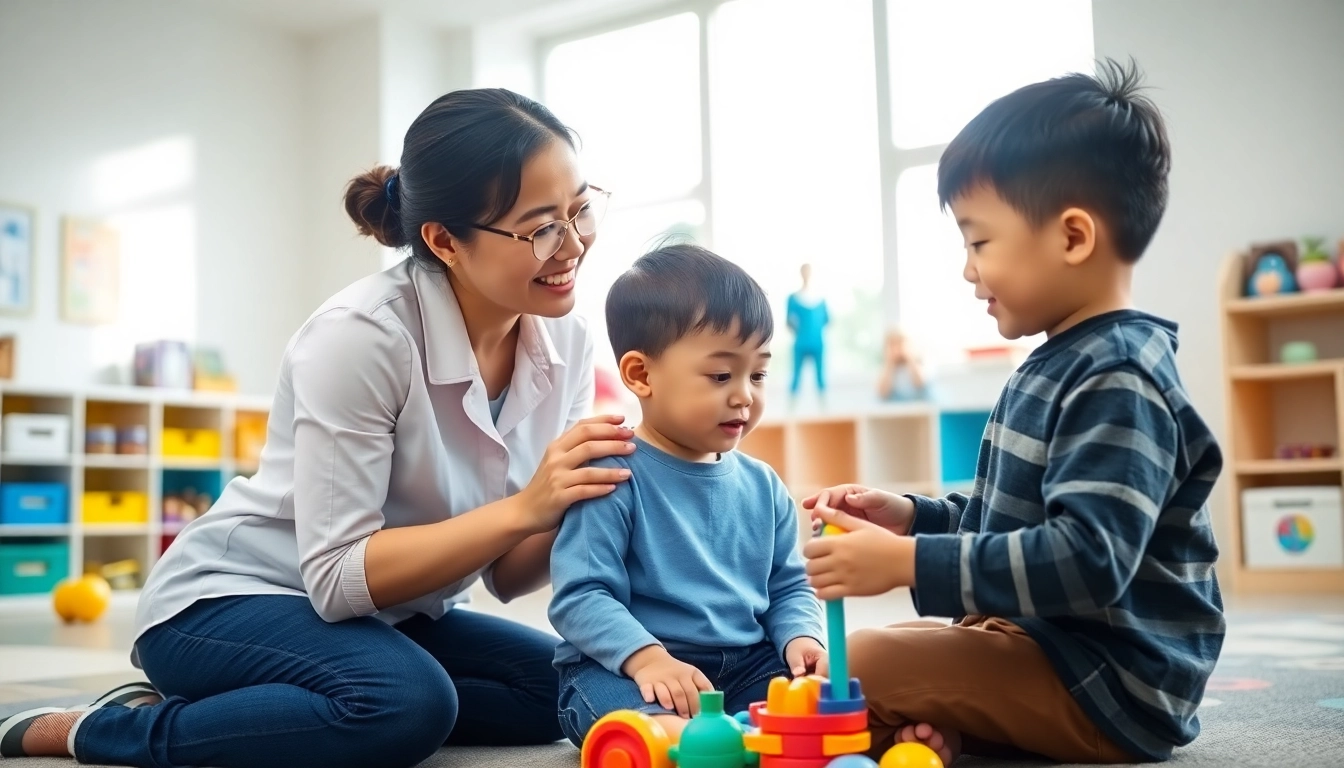
Understanding Autism and Its Challenges
What is Autism Spectrum Disorder?
Autism Spectrum Disorder (ASD) is a complex neurodevelopmental disorder characterized by a range of symptoms and challenges that affect social interaction, communication, and behavior. It is called a "spectrum" because the symptoms and abilities of individuals can vary widely. Some may have significant impairments, while others can function with minimal support. Understanding this diversity is crucial when seeking Autism help.
Common Signs of Autism in Children
Parents and caregivers often notice signs of autism as early as 18 months. Some common indicators include:
- Limited eye contact and facial expressions
- Difficulty in holding conversations, often preferring solitary activities
- Struggles with understanding social norms and cues
- Repetitive behaviors, such as hand-flapping or spinning objects
- Intense interest in certain subjects, often to the exclusion of others
How Autism Affects Daily Life
Living with autism can significantly impact an individual’s daily routines. Challenges in communication can make social situations more stressful. Routine changes may lead to anxiety and meltdowns, while sensory sensitivities can augment everyday challenges, making certain environments overwhelming. Understanding these elements is essential for effective Autism help strategies.
Essentials of Autism Help
How Early Intervention Makes a Difference
Research consistently shows that early intervention can lead to improved outcomes for children with autism. Starting therapy at a young age can enhance social, communication, and cognitive skills. Programs that focus on individual strengths and weaknesses tailored to each child's needs can yield significant benefits.
Choosing the Right Support Programs
Choosing the ideal support program requires careful consideration of the individual child's needs and family dynamics. Options may include:
- Behavioral therapy such as Applied Behavior Analysis (ABA)
- Speech therapy for language development
- Occupational therapy for daily living skills
- Social skills groups to promote interaction
Creating an Inclusive Environment
An inclusive environment encompasses both physical spaces and community attitudes. It involves educators, caregivers, and peers who strive to accommodate and support individuals with autism. Strategies include adapting classroom activities, providing visual aids, and promoting awareness and sensitivity among classmates.
Effective Techniques for Autism Help
Applied Behavior Analysis (ABA) Explained
ABA is a widely recognized intervention for autism that employs principles of behavior modification to teach skills and reduce undesirable behaviors. Techniques may involve breaking down tasks into smaller, manageable steps, using positive reinforcement to encourage desired behaviors, and regular assessment of progress.
Use of Play Therapy in Autism Help
Play therapy can be beneficial in promoting communication and social skills in children with autism. This therapeutic approach allows children to express themselves naturally and engage with their peers in a structured setting. Utilizing engaging and interactive toys can facilitate learning through play.
Incorporating Sensory Integration Strategies
Sensory integration strategies help individuals with autism adapt to sensory experiences. Techniques vary from sensory diets—deliberate activities tailored to the individual's sensory needs—to calming spaces. These interventions aim to help the individual process sensory input more effectively and reduce overstimulation.
Collaborating with Caregivers and Educators
Best Practices for Parent Involvement
Collaboration between parents and therapists or educators is critical in a child’s development. Engaging in regular communication, participating in therapy sessions, and sharing insights about the child's behavior at home can enhance the support structure and consistency.
Working with Schools for Comprehensive Support
Fostering partnerships with educational institutions is essential for holistic support. Parents should advocate for Individualized Education Programs (IEPs) that cater to their child’s unique learning profile, ensuring that educators have the tools necessary to facilitate a productive learning environment.
Building a Support Network for Families
A robust support network can alleviate the emotional and practical challenges faced by families. Connecting with other parents, joining support groups, or seeking professional guidance can provide a sense of community and shared experiences that are pivotal for resilience.
Evaluating Progress and Success in Autism Help
Key Performance Indicators for Therapy
Evaluating the effectiveness of therapies requires clear metrics. Key Performance Indicators (KPIs) may include improvements in communication skills, reduced frequency of meltdowns, increased social interactions, and the child's ability to adapt to new situations. Regular assessments ensure that strategies remain aligned with individual needs.
Adjusting Strategies Based on Individual Needs
Children with autism are not a monolith, so treatments should be flexible. Regularly reassessing strategies and outcomes allows caregivers and educators to adjust their approaches based on the child's evolving needs, ensuring continual growth and adaptation.
Celebrating Milestones in Development
Recognizing and celebrating milestones, no matter how small, are crucial for motivation and confidence. Families and educators should take time to acknowledge achievements, which fosters a positive self-image and encourages ongoing effort toward developmental goals.
Frequently Asked Questions (FAQs)
What are common first signs of autism in children?
Common early signs include limited eye contact, lack of interest in social interactions, and delayed speech development. Monitoring these signs can help in early identification of autism.
How important is early intervention for autism?
Early intervention is crucial as it can significantly improve developmental outcomes, enhancing social skills, communication, and overall quality of life. Starting therapy early sets a strong foundation.
What therapies are most effective for autism?
Effective therapies include Applied Behavior Analysis (ABA), speech therapy, and occupational therapy. Each addresses specific challenges and contributes to a comprehensive support plan.
How can I create an inclusive environment for my child?
Creating an inclusive environment involves promoting understanding among peers, adapting spaces to suit sensory needs, and encouraging participation. Focus on collaboration and awareness-building.
What are some ways to celebrate progress in therapy?
Celebrate progress by recognizing achievements, no matter how small. Use rewards, share successes with family or friends, and encourage the child to reflect on their growth. This fosters motivation.
Contact Information
Call Us: +1 248-308-5966Email: [email protected]Address: Novi, MI, United States, 48375