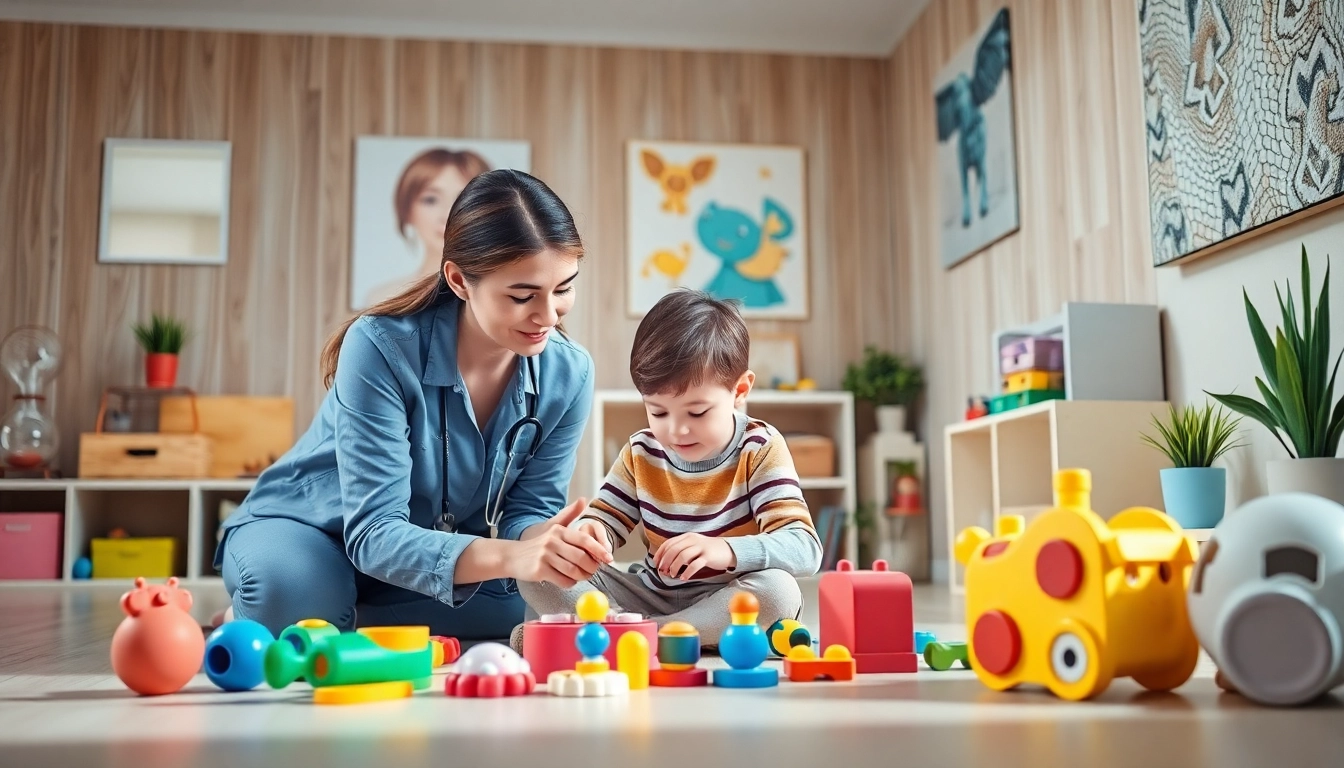
Understanding Autism: Basics and Insights
What is Autism?
Autism, also known as Autism Spectrum Disorder (ASD), is a complex neurodevelopmental condition characterized by varying degrees of social, communicative, and behavioral challenges. It is referred to as a "spectrum" because it encompasses a wide range of symptoms and skills that can affect individuals differently, often requiring tailored approaches for support. The causes of autism are not entirely understood, but research suggests a combination of genetic and environmental factors contribute to its development.
Signs and Symptoms of Autism
Identifying autism early is crucial for effective intervention. Common signs include:
- Difficulties with communication and interaction with others
- Struggles with understanding social cues and context
- Repetitive behaviors or narrow, focused interests
- Challenges with changes in routine or environment
- Sensitivity to sensory input, such as sounds, lights, or textures
It is essential for parents and caregivers to be vigilant and seek guidance if they notice these signs, as early diagnosis significantly enhances the effectiveness of Autism help.
Importance of Early Autism Help
Early intervention is critical in supporting a child’s development. Research shows that early autism help leads to significant improvements in cognitive, language, and social skills. Intervening at a young age helps children adapt better to their environment, enhances family dynamics, and supports the child's growth into adulthood.
Moreover, early therapies can also reduce the intensity of future symptoms and help in the development of coping strategies. The impact of such supports can be transformative, often leading to improved educational and social outcomes later in life.
Types of Autism Help Available
Behavioral Therapy Approaches
Behavioral therapies are founded on principles of behavior modification, focusing on teaching new skills and reinforcing positive behavior. One popular approach is Applied Behavior Analysis (ABA), which involves detailed observation and data collection to tailor strategies that meet the individual’s needs. Through structured techniques, children learn to communicate, participate in social activities, and develop essential life skills.
Speech and Language Therapy
This therapy focuses on improving social communication skills and is crucial for children with autism. Speech-language pathologists work on various communication aspects, including understanding and using language, as well as pragmatic language skills—how to use language in social contexts. This is vital because strong communication skills often lead to improved relationships and educational achievement.
Social Skills Training
Social skills training involves guided practice that allows children with autism to learn how to interact appropriately in various situations. This training teaches them about emotions, non-verbal cues, and how to initiate and sustain conversations. Role-playing, social stories, and group activities often comprise this approach, providing a safe environment for children to develop their social competence.
Finding the Right Autism Help for Your Child
Evaluating Therapy Options
With diverse autism help options available, evaluating the most suitable therapy for your child is crucial. Parents should consider individual needs, therapist qualifications, therapy types, and the child's unique symptoms. It is beneficial to consult resources, including healthcare professionals and support groups, to aid in making informed decisions.
Involving Healthcare Professionals
Collaborating with healthcare professionals, including pediatricians, psychologists, and therapists, ensures a comprehensive understanding of your child's condition. These professionals can provide recommendations, conduct evaluations, and develop tailored treatment plans that align with your child's specific needs.
Community Resources and Support Groups
Community resources play a pivotal role in connecting families with essential services. Support groups provide an opportunity for parents to share experiences, advice, and emotional support. These networks can also help in identifying local programs and activities designed for children with autism, making them an indispensable resource for autism help.
Creating an Autism-Friendly Environment
Home Modifications for Comfort
Creating a supportive home environment is essential for your child’s development and comfort. This can involve establishing consistent routines, reducing sensory overload through calming spaces, and providing preferred sensory materials. Quiet areas equipped with soft lighting and minimal distractions can help your child feel secure and relaxed.
Activities to Support Learning
Learning through play is a powerful method for engaging children with autism. Building activities that are interactive and educational helps in developing motor skills, social interaction, and cognitive abilities. Activities could include art, music, and even nature exploration, which can enhance their understanding of the world around them.
Tips for Encouraging Communication
Encouraging communication requires patience and creativity. Strategies like using visual supports, modeling language, and reinforcing communication attempts can be effective. Setting up scenarios that prompt your child to communicate, such as asking for a favorite toy, can facilitate the development of essential language skills.
Measuring the Success of Autism Help
Setting Realistic Goals
Setting achievable goals provides direction and motivation for both parents and children. Goals should be specific, measurable, achievable, relevant, and time-bound (SMART). Whether it’s improving communication skills or forming friendships, realistic goals help track progress and encourage continuous improvement.
Tracking Progress
Regularly reviewing your child’s progress is essential to ensure that the chosen strategies are effective. Keeping detailed records of milestones and challenges can provide insight into areas that may need adjustment. This process is not just beneficial for therapists and educators; it empowers parents as they monitor their child's journey.
Adapting Strategies Over Time
Autism help approaches should remain flexible to adapt to the evolving development of a child. As children grow, their needs change; thus, reevaluating therapy methods and continuously seeking new strategies and resources is crucial for sustained growth. Collaboration among caregivers, therapists, and the child ensures that interventions remain relevant and effective.
FAQs About Autism Help
1. What is the best age to start autism therapy?
The earlier the intervention, the better. Starting autism therapy as soon as a diagnosis is made can significantly enhance development.
2. How do I know which therapy is right for my child?
Consulting with healthcare professionals and considering your child's individual needs and preferences can guide you in choosing the right therapy.
3. Can autism symptoms improve with therapy?
Yes, many children show improvement in communication, social interactions, and behavior with appropriate therapies and support.
4. Are there any medications for autism?
While no medications can treat autism, certain medications can help manage specific symptoms, such as anxiety or hyperactivity.
5. What role do parents play in autism therapy?
Parents are crucial in reinforcing skills learned in therapy at home, creating structured routines, and providing emotional support.
Contact Information
Call Us: +1 248-308-5966Email: [email protected]Address: Novi, MI, United States, 48375