Understanding Australia's Unique Culture
Australia is a nation that encapsulates a rich tapestry of cultures, stories, and legacies. With its incredibly diverse population, the cultural landscape of Australia is a product of its vast history, indigenous roots, and immigration waves. The mixing pot of cultures has created a society characterized by unique traditions, culinary experiences, and celebrated events that define its national identity.
The Indigenous Heritage of Australia
Australia is home to one of the world's oldest living cultures. Indigenous Australians, comprising various Aboriginal and Torres Strait Islander groups, have inhabited the continent for over 65,000 years. Their rich traditions, languages, and philosophical understandings of the land are foundational to Australian identity.
The Dreamtime is a cornerstone of Indigenous spirituality, narrating the creation stories and ancestral heritage passed down through generations. Land is viewed as a living entity, entwined with culture and identity. Ceremonies, art, and music serve as vessels for these narratives, showcased in various forms, such as dance and storytelling.
In recent years, there have been increasing efforts to recognize and promote Indigenous culture within mainstream society. National events like NAIDOC Week highlight the contributions of Aboriginal and Torres Strait Islander peoples, showcasing their culture through art exhibitions, cultural performances, and educational workshops.
Multicultural Society in Australia
Australia boasts one of the most multicultural populations in the world. Since the post-World War II era, immigration waves from Europe, Asia, and beyond have diversified the Australian demographic landscape. Today, about 30% of Australians were born overseas, and more than 300 languages are spoken across the nation, reflecting its vibrant cultures.
This melting pot of cultures fosters a unique blend of culinary practices, festivals, and community events. Cities like Sydney and Melbourne are known for their thriving multicultural precincts, where one can enjoy a variety of international cuisines, from authentic Italian pasta to spicy Thai curries, all within a short distance.
Furthermore, multiculturalism impacts national policies, allowing for a greater understanding of different cultural practices and fostering social cohesion. Community programs often promote cultural exchange, encouraging Australians to embrace inclusivity and respect for diversity.
Arts and Festivals Celebrating Australia
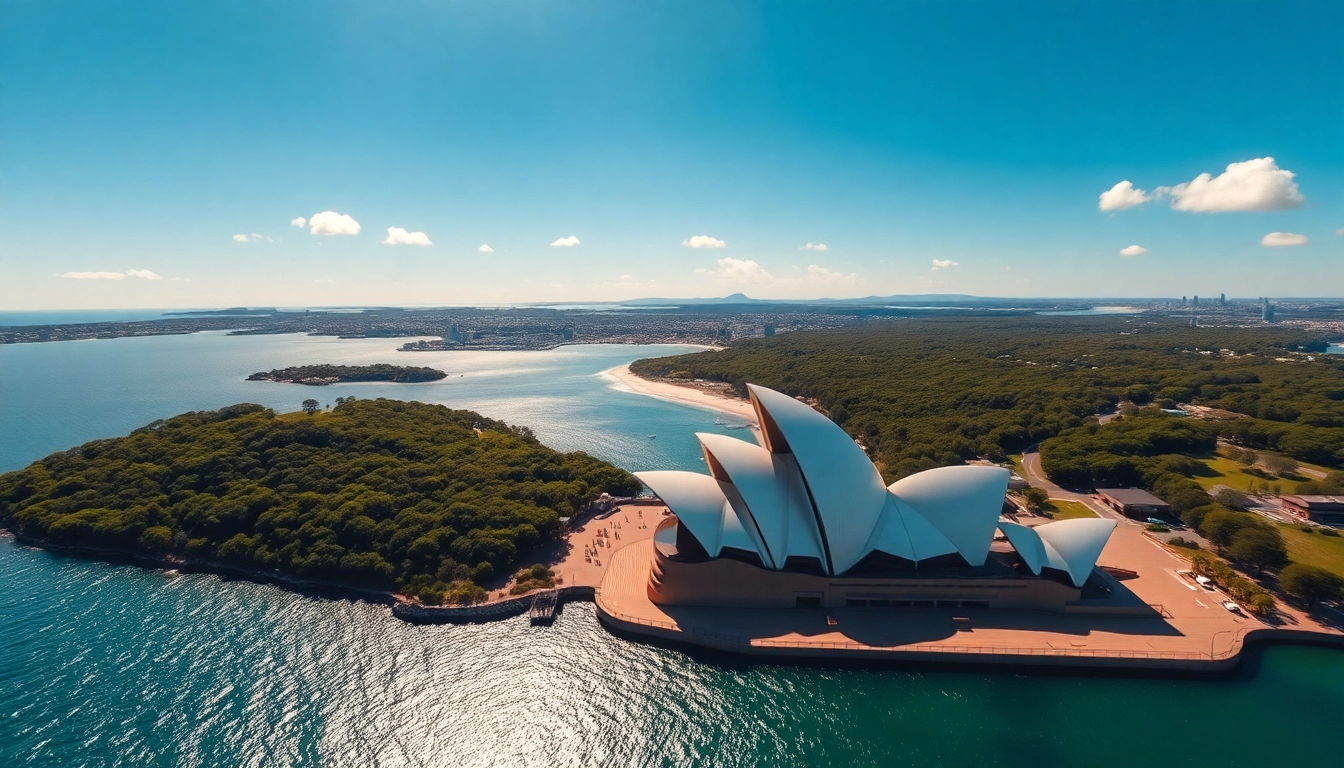
The creative arts are a vibrant part of Australian culture, with the nation boasting an array of talented artists, musicians, and performers. Major cultural institutions like the National Gallery of Australia and the Sydney Opera House serve as platforms for showcasing both Indigenous and contemporary art.
Australia hosts numerous festivals that celebrate its multicultural identity. The Sydney Festival, held annually, features a mix of music, theater, dance, and visual arts, drawing participation from local and international artists alike. Another notable festival is the Melbourne International Comedy Festival, one of the largest comedy festivals globally, illustrating the country’s rich humor and creativity.
Moreover, sporting events like the Australian Open and the AFL Grand Final bring together people from all walks of life, underlining the nation’s passion for sports as a unifying force in Australian society.
Australia's Diverse Geography
The geographic diversity of Australia is as remarkable as its cultural richness. From the arid deserts of the Outback to the lush tropical rainforests, Australia's landscapes are characterized by their stunning contrasts. This variety results in unique climates and ecosystems that define the region's natural beauty.
Major Landscapes of Australia
Australia's geography can be categorized into several key landscapes:
- The Outback: Australia's interior is a vast, arid wilderness that embodies the essence of the nation's wildlife and Indigenous heritage. The iconic red sands and rocky outcrops offer a glimpse into the ancient stories of the land.
- Coastal Regions: Stretching over 34,000 kilometers, Australia's coastline is dotted with stunning beaches, vibrant marine habitats, and breathtaking sea cliffs. The Great Barrier Reef, one of the world's natural wonders, attracts millions of visitors each year.
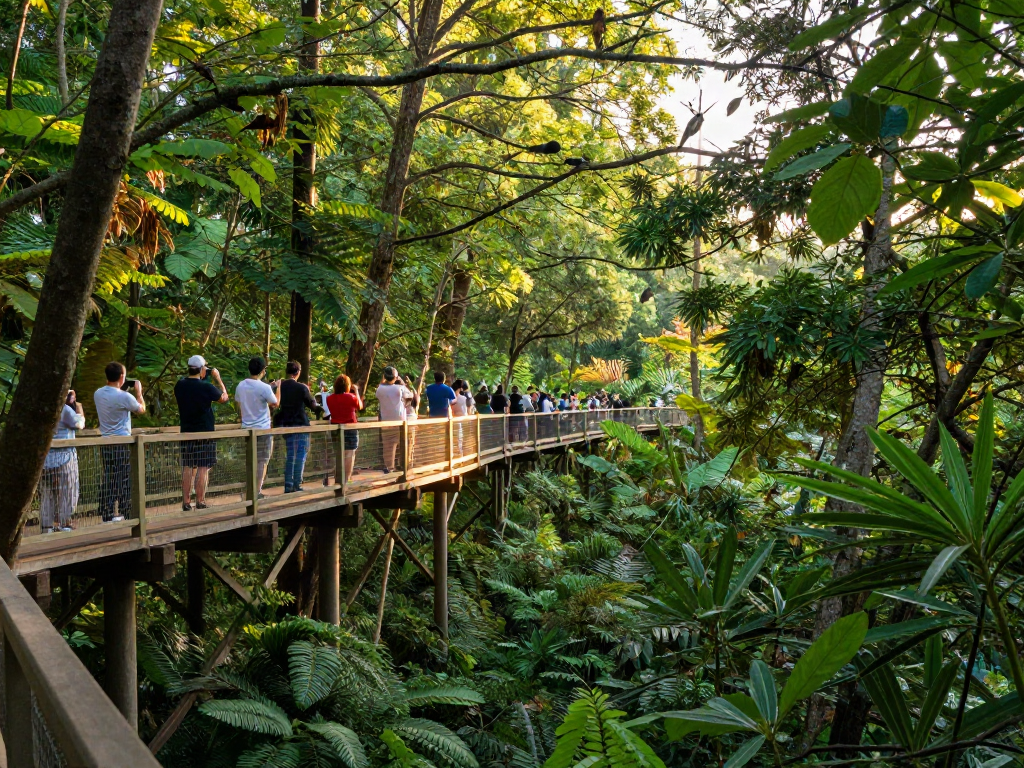
- Rainforests: Found primarily in Queensland, these lush landscapes are home to diverse flora and fauna. The Daintree Rainforest, one of the oldest rainforests in the world, is a UNESCO World Heritage site.
- Mountain Ranges: The Australian Alps, running along the southeastern coast, feature beautiful alpine scenery and create opportunities for snow sports during the winter months.
Weather and Climate Variations Across Australia
The climate in Australia varies significantly from region to region, influenced by its size and geography. Generally, the climate can be categorized as:
- Tropical: Found in the northern regions, characterized by hot, humid summers and mild, dry winters.
- Desert: Dominating much of the interior, with extreme temperature variations between day and night.
- Temperate: Along the southern coasts, featuring four distinct seasons with cooler temperatures in winter.
- Subtropical: Experienced in eastern coastal areas, where rainfall is distributed throughout the year.
Understanding these variations is crucial for both residents and visitors, influencing lifestyle, agricultural practices, and travel experiences across the nation.
Exploring Australia's National Parks
Australia is renowned for its national parks, which showcase the country's stunning landscapes and biodiversity. Home to over 500 national parks, these protected areas provide visitors with opportunities for hiking, wildlife spotting, and appreciating nature's wonders.
Some of the most famous national parks include:
- Kakadu National Park: A UNESCO World Heritage site in the Northern Territory, Kakadu offers breathtaking wetlands, ancient rock art, and diverse wildlife.
- Uluru-Kata Tjuta National Park: Known for the iconic Uluru (Ayers Rock) and the Olgas, this park is sacred to the Indigenous Anangu people and showcases the cultural significance of the land.
- Blue Mountains National Park: Located just outside Sydney, it features stunning cliffs, waterfalls, and hiking trails, offering a serene escape from urban life.
Exploring these parks provides valuable insights into Australia's natural heritage, highlighting the importance of conservation efforts for future generations.
Tourism Trends: Why Australia is a Top Destination
Australia has long been a favored destination for travelers from around the world. Its diverse attractions, stunning landscapes, and vibrant culture draw millions of visitors each year. Understanding current tourism trends is essential for grasping why Australia remains a top travel choice.
Popular Tourist Attractions in Australia
The allure of Australia lies in its vast array of attractions. Popular destinations include:
- Sydney: Famous for its iconic Sydney Opera House and Harbour Bridge, Sydney offers a bustling urban lifestyle paired with stunning beaches.
- Great Barrier Reef: The world’s largest coral reef system, home to diverse marine life and attracting snorkelers and divers from around the globe.
- Melbourne: Known for its vibrant arts scene, diverse food culture, and unique laneways, Melbourne consistently ranks as one of the world’s most livable cities.
- Gold Coast: Renowned for surf beaches, theme parks, and nightlife, the Gold Coast is a hotspot for both domestic and international tourists seeking adventure.
Ecotourism and Sustainable Practices in Australia
The growing awareness of environmental issues has led to the rise of ecotourism in Australia. Tourists increasingly seek experiences that promote sustainability and conservation of the environment.
Ecotourism operators focus on educating visitors about the ecological significance of the areas they explore while minimizing their impact on local ecosystems. Tours often feature guided walks, wildlife observation, and cultural experiences that contribute to the preservation of natural habitats and Indigenous cultures.
Examples of sustainable tourism practices include:
- Staying in eco-friendly accommodations that use renewable energy.
- Participating in wildlife conservation programs.
- Engaging in responsible waste management and supporting local communities.
As Australia further embraces sustainable practices, it strengthens its position as a leader in ecotourism, allowing visitors to experience the beauty of nature responsibly.
Travel Tips for Visitors to Australia
Visiting Australia can be an enriching experience, but preparation is key. Here are essential travel tips for prospective visitors:
- Plan for diverse weather: Check the climate for your intended travel region and pack appropriately.
- Use public transport: Major cities have reliable public transport systems. Consider buying a transport card to save on costs.
- Stay safe: Be mindful of wildlife, especially when driving. Always follow local safety guidelines.
- Respect Indigenous cultures: Engage with local Indigenous communities in a respectful manner and learn about their cultural heritage.
With the right planning, visitors can maximize their time in Australia and create unforgettable memories.
Economy and Living Standards in Australia
Australia boasts a strong economy with high living standards, making it an attractive destination for expatriates and tourists alike. Understanding the economic landscape provides insights into the daily lives of Australians.
Cost of Living in Australia
The cost of living in Australia varies significantly based on location. Major cities like Sydney and Melbourne are known for their higher living expenses, including housing, utilities, and transportation. However, other regions, such as Adelaide and Hobart, tend to be more affordable.
Common expenses include:
- Housing: Rent prices are notably high in metropolitan areas, with apartments in the city center costing more than those in the suburbs.
- Food: Dining out can vary in price, with options ranging from budget-friendly eateries to upscale restaurants.
- Transportation: Public transport spending is reasonable, but owning a car incurs additional costs for petrol and insurance.
It's advisable to budget effectively and research specific affordability based on your lifestyle and chosen location.
Employment Opportunities in Australia
Australia’s economy is characterized by a strong job market, particularly in sectors like healthcare, technology, and education. The country has a low unemployment rate and offers diverse employment opportunities for skilled professionals.
Programs like the Skilled Migration Program allow skilled workers from overseas to move to Australia and fill labor shortages. Foreign workers benefit from fair wages, workplace protections, and a positive work-life balance.
Networking and utilizing online job platforms can enhance employment prospects for those looking to establish their careers in Australia.
Understanding Australia's Healthcare System
Australia's healthcare system is a mix of private and public services, known for its high standards of care. The Medicare system provides residents with access to essential health services, including doctor visits and hospital care, largely funded by the government.
Key points include:
- Private Health Insurance: Many Australians choose to take out private insurance for additional coverage and shorter waiting times for elective procedures.
- Access to Services: Healthcare facilities are generally well-distributed, with urban areas having a higher concentration of specialized services.
- Health and Wellness: Emphasis on wellness and preventive care through public health campaigns helps maintain a healthy population.
Understanding the nuances of the system is vital for both residents and expatriates, ensuring access to vital healthcare services.
FAQs about Australia
What is the best time to visit Australia?
The best time to visit Australia is during spring (September to November) and autumn (March to May) when the weather is pleasant and conducive for outdoor activities.
Is Australia an expensive place to live?
Living costs can be relatively high, especially in cities like Sydney and Melbourne, but it's manageable with a good salary, particularly if budgeted wisely.
What are Australia’s most popular food dishes?
Australia is famous for dishes like meat pies, fish and chips, sausage rolls, and pavlova, a delicious dessert enjoyed widely across the nation.
How diverse is Australia’s wildlife?
Australia boasts extensive biodiversity, home to unique species like kangaroos, koalas, and numerous reptiles and marine life found nowhere else on Earth.
What languages are spoken in Australia?
While English is the primary language, many others are spoken due to cultural diversity, including Italian, Mandarin, Arabic, and various Indigenous languages.