1. Introduction to Giant Foam Blocks
1.1 What Are Giant Foam Blocks?
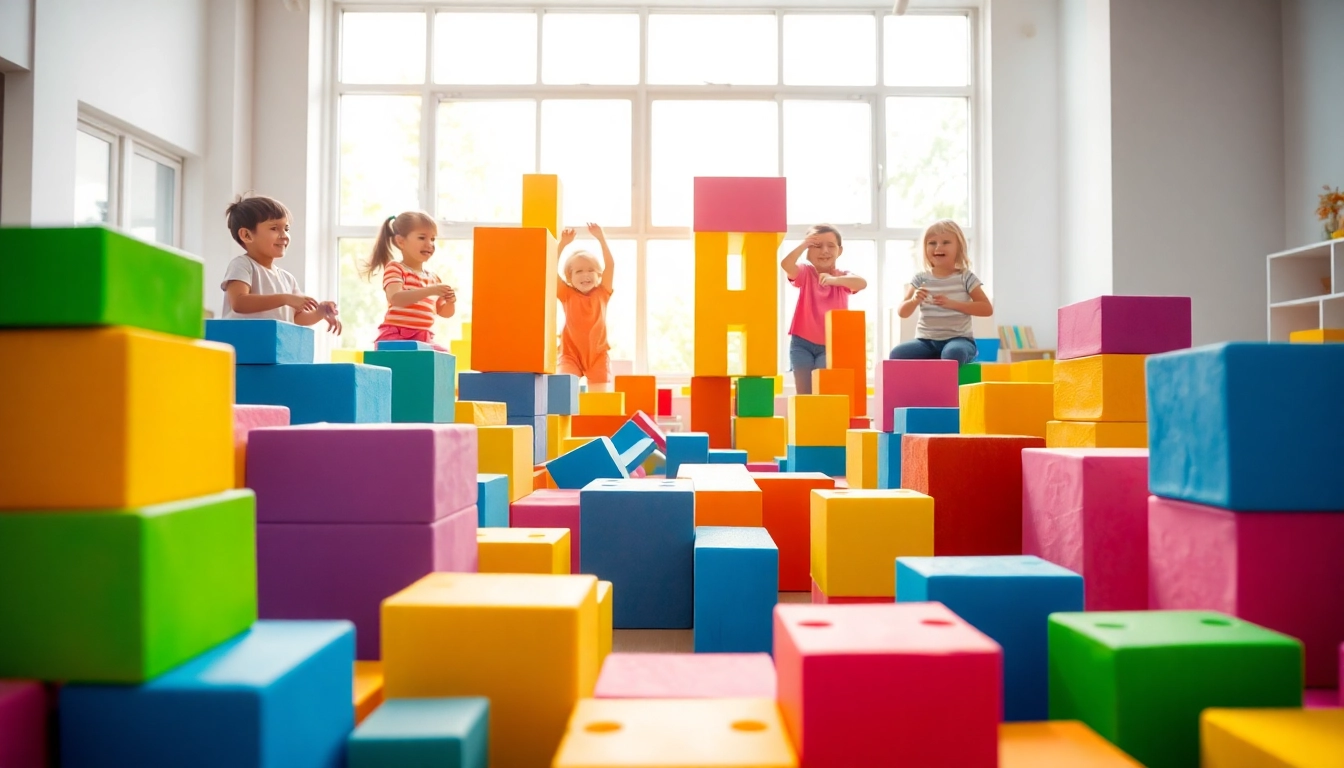
Giant foam blocks are large, lightweight building toys made from soft, durable foam material. Unlike traditional wooden or plastic building blocks, these foam blocks are designed to be safe for children of all ages, enabling hours of creative and physical play. They come in various shapes, sizes, and colors, providing endless possibilities for construction and imaginative play.
1.2 Benefits of Foam Building Toys
Foam building toys offer numerous benefits for children. Firstly, they enhance physical activity, encouraging kids to move as they stack, balance, and build. Moreover, foam blocks are soft and safe, reducing the risk of injury during play. These toys also foster cognitive development, improving problem-solving skills, spatial awareness, and creative thinking. Social skills are enhanced as children engage in collaborative play, learning teamwork and communication.
1.3 Popular Uses in Play Areas
Giant foam blocks are commonly found in play areas, schools, and homes. They can be used to create imaginative structures like castles, forts, or obstacle courses, stimulating children's creativity and physical abilities. Many preschools and daycare centers incorporate these foam blocks into their curriculum, using them to promote both educational and developmental objectives. They also serve as excellent tools for sensory play, allowing children to explore textures and shapes.
2. Engaging Activities with Foam Blocks
2.1 Building Challenges for Kids
One engaging activity with foam blocks is the building challenge, where children are tasked with constructing specific structures within a time limit. This adds a competitive element to play, encouraging kids to think critically and work quickly. Building challenges can include themes, such as creating the tallest tower or the most stable bridge, which enhances their engineering skills while making playtime exciting.
2.2 Collaborative Group Projects
Foam blocks are perfect for fostering teamwork through collaborative group projects. Children can work together to develop large-scale constructions, such as a city or a playground, encouraging communication and cooperation. These projects not only build social bonds but also trust among peers, allowing children to learn from each other’s strategies and ideas as they navigate group dynamics.
2.3 Creative Role Play Scenarios
Using foam blocks for creative role play scenarios can lead to rich, imaginative experiences. Kids can use them as props in creative storytelling, envisioning themselves as builders, architects, or even characters in their favorite stories. By incorporating role-playing elements, children use their imagination to create worlds and adventures, enhancing their cognitive development and language skills.
3. Foam Blocks for Learning and Development
3.1 Enhancing Motor Skills
Playing with giant foam blocks strengthens both fine and gross motor skills. As children grasp, stack, and maneuver these blocks, they develop hand-eye coordination and dexterity. The physical aspect of moving large blocks also promotes gross motor skills, such as balance, muscle strength, and body awareness.
3.2 Stimulating Imagination and Creativity
Foam blocks serve as a universal canvas for children to unleash their creativity. Since they can be transformed into many different structures, these blocks encourage imaginative thinking. Children learn to visualize their creations and problem-solve as they bring their designs to life, laying a foundation for lifelong creative skills.
3.3 Encouraging Problem-Solving and Teamwork
Engaging with foam blocks helps children develop critical problem-solving abilities. As they encounter challenges, such as ensuring their constructions hold up or figuring out how to fit different shapes together, they learn to analyze situations and come up with solutions. Working in groups further enhances teamwork skills, as they must negotiate ideas and incorporate feedback from peers.
4. Choosing the Right Foam Block Sets
4.1 Factors to Consider
When selecting foam block sets, it's essential to consider several factors, including age appropriateness, the number of blocks included, and versatility. A good set should cater to various developmental stages, allowing children of different ages to play together. Additionally, ensure the blocks come in a variety of shapes and colors to stimulate creativity.
4.2 Safety Considerations
Safety is paramount when choosing foam blocks for children. Look for sets that are made from non-toxic, hypoallergenic materials that comply with safety standards. Check for any choking hazards, particularly if the blocks are small, and ensure that the corners are rounded to minimize injury risks during active play.
4.3 Types of Sets Available
There are various types of foam block sets available on the market. Some focus on geometric shapes to inspire mathematical learning, while others offer themed sets, like animals or vehicles, to encourage creative play. Consider the interests of the child when selecting a set; this can significantly enhance their engagement and enjoyment.
5. FAQs about Giant Foam Blocks
5.1 How do I clean foam blocks?
You can clean foam blocks with a damp cloth and mild soap. For deeper cleaning, use a mixture of water and vinegar. Allow blocks to air dry completely before using them again.
5.2 What age is appropriate for foam block play?
Foam blocks are suitable for children aged 18 months and up. Always supervise younger kids to prevent any accidental injuries during play.
5.3 Can foam blocks be used outdoors?
Yes, foam blocks can be used outdoors but should be kept dry to maintain their shape and avoid mold. Consider using them on soft surfaces like grass or mats.
5.4 Are foam blocks safe for toddlers?
Foam blocks are generally safe for toddlers, being soft and lightweight. Always select sets designed for young children that avoid small parts.
5.5 Where can I buy quality foam block sets?
You can find quality foam block sets at toy stores, online retailers, or specialty educational suppliers. Ensure they meet safety standards and are suited for your child's age.
To explore these toys' benefits further and to see some engaging ideas for play, find out more.